Introduction
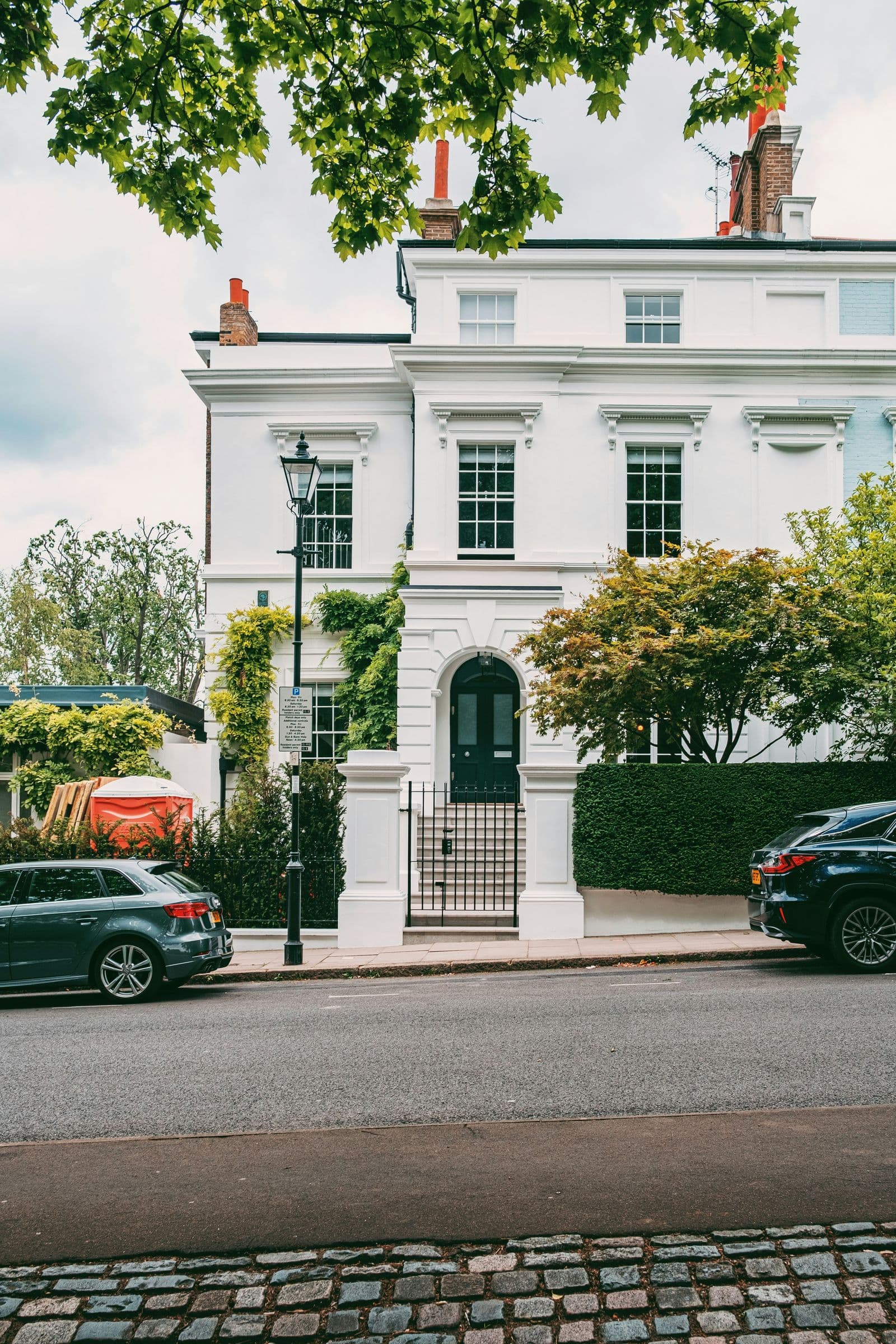
Hampstead and its surrounding areas—Hampstead Heath, West Hampstead, and the neighbouring dis tricts spanning postcodes NW3 and NW6—represent one of London’s most architecturally sig nificant and desirable residential locations. From grand Victorian townhouses and Edwardian mansion blocks to Arts & Crafts cottages and striking modernist homes, the area’s diverse architectural heritage demands careful consideration when undertaking any building project.
Whether you’re planning a loft conversion in a terraced Victorian house, a basement excavation beneath a Georgian villa, a side-return extension to maximise space, or a comprehensive restoration of a period property, choosing the right architect is arguably the most critical decision you’ll make. The right architect will not only transform your vision into reality but will also navigate the complex planning landscape of Camden Council, ensure compliance with conservation area restrictions, manage relationships with neighbours, and deliver a project that enhances both your lifestyle and property value.
This comprehensive guide covers everything you need to know about selecting an architect in Hampstead, understanding Camden Council’s planning requirements, knowing when you need planning permission versus permitted development rights, and maximising the potential of your property while respecting the area’s unique character.
Part 1: Understanding Hampstead’s Architectural Landscape Property Types in NW3 & NW6
Hampstead (NW3)
Hampstead itself is architecturally diverse, featuring:
- Victorian Townhouses: Grand red and yellow brick properties, many with distinctive Arts & Crafts features, original sash windows, decorative brickwork, and prominent roofs. These properties often feature mature front gardens, ornate boundary walls, and original railings.
- Edwardian Mansion Blocks: Substantial purpose-built apartment buildings with generous pro portions, high ceilings, and period features. Many have been converted into luxury flats while retaining their original character.
- Georgian Villas: Elegant detached and semi-detached properties, particularly found in the more established streets near Hampstead Village, featuring symmetrical facades, sash windows, and clas sical proportions.
- Arts & Crafts Cottages: Smaller, characterful homes with distinctive architectural details, often featuring exposed timber, decorative tilework, and steeply pitched roofs.
- Modernist and Contemporary Homes: Striking examples of 20th-century and contemporary architecture, including properties designed by renowned architects, featuring clean lines, large glass
elements, and innovative materials.
Hampstead Heath & Surrounding Areas
The areas surrounding Hampstead Heath include:
- Hampstead Garden Suburb: A uniquely planned community established under the Hampstead Garden Suburb Act 1906, featuring carefully designed groups of houses around greens and closes, with strict design controls managed by the Hampstead Garden Suburb Trust. Properties here are subject to additional restrictions beyond standard planning requirements.
- Village Core Properties: The historic heart of Hampstead retains 18th-century village charm with narrow passageways, steep lanes, small squares, and a mix of architectural styles spanning several centuries.
West Hampstead (NW6)
West Hampstead features:
- Late Victorian and Edwardian Terraces: Similar to Hampstead but often slightly less grand, these properties offer excellent potential for extension and improvement.
- Conversion Properties: Many former larger houses have been converted into flats, presenting unique challenges and opportunities for redevelopment.
- Period Mansion Blocks: Substantial apartment buildings from the early 20th century, many with original features and generous room proportions.
Conservation Areas and Heritage Designations
Camden’s Conservation Areas
The London Borough of Camden has 40 conservation areas covering much of the borough. Hampstead was one of the first conservation areas to be created following the Town & Country Planning Act 1968. Key conservation areas relevant to your project include:
- Hampstead Conservation Area: Covers the historic village core and surrounding Victorian streets. Properties here are subject to Article 4 Directions that remove certain permitted develop ment rights.
- South Hampstead Conservation Area: Encompasses substantial Victorian and Edwardian residential areas with specific controls to preserve character.
- Belsize Conservation Area: Features a mix of architectural styles with particular emphasis on preserving the area’s leafy, residential character.
- Hampstead Garden Suburb Conservation Area: Subject to the unique controls of the Hamp stead Garden Suburb Trust as well as Barnet Council planning requirements.
Article 4 Directions
Article 4 Directions are special controls that remove permitted development rights from properties within designated areas. In Hampstead, South Hampstead, and Belsize Conservation Areas, these directions mean that planning permission is required for works that would normally be permitted elsewhere, includ ing:
- Installation, alteration, or replacement of windows and doors on front elevations • Alterations to porches and porticos
- Painting previously unpainted brickwork
- Additions or alterations to roofs, including roof lights and solar panels
- Installation of flues, chimneys, or soil and vent pipes at the front of properties • Erecting, altering, or demolishing gates, walls, or fences at the front of properties
Important Note: As of June 2025, a new Article 4 Direction was made that removes the previous requirement for planning permission to install photovoltaic (PV) solar panels or solar thermal equipment, provided certain requirements are met. This change reflects Camden’s commitment to addressing the climate emergency while maintaining appropriate design standards.
Listed Buildings
Many properties in Hampstead and surrounding areas are listed buildings, designated for their special architectural or historic interest:
- Grade I: Buildings of exceptional interest (rare in residential areas)
- Grade II*: Particularly important buildings of more than special interest
- Grade II: Buildings of special interest warranting every effort to preserve them
Any alterations to listed buildings require Listed Building Consent in addition to any planning permission required. This applies to both external and internal alterations that affect the character of the building.
Part 2: Understanding Planning Permission and Permitted Development What is Permitted Development?
Permitted Development Rights (PDR) allow certain building works and changes of use to be carried out without the need for a full planning application. These rights are established by the Town and Country Planning (General Permitted Development) (England) Order 2015 (as amended).
However, in Hampstead and much of Camden, these rights are significantly restricted by:
1. Conservation Area Designation: Most of Hampstead falls within conservation areas 2. Article 4 Directions: Specific restrictions on individual properties or areas 3. Listed Building Status: Listed buildings have no permitted development rights 4. Flat/Maisonette Status: Flats and maisonettes have no permitted development rights
Permitted Development for Houses (Where Not Restricted)
If your property is a single-family dwelling house NOT in a conservation area, NOT listed, and NOT subject to an Article 4 Direction, the following permitted development rights may apply:
Class A: Enlargement, Improvement or Alteration of a House
Single-Storey Rear Extensions:
- Must not extend beyond the rear wall of the house by more than 4 metres (detached house) or 3 metres (any other house)
- Must not exceed 4 metres in height (or 3 metres if within 2 metres of a boundary) • Must use similar materials to the existing house
- Must not cover more than 50% of the land around the original house
- Eaves and ridge must be no taller than the existing house
Larger Rear Extensions (Neighbour Consultation Scheme):
- Single-storey rear extensions can extend up to 8 metres beyond the rear wall for detached houses (6 metres for other houses)
- Prior approval from the local authority is required
- Neighbours must be consulted and their views considered
Side Extensions:
- Must be single-storey
- Must not exceed 4 metres in height
- Must not be wider than half the width of the original house
- Must not extend beyond the side elevation
Class B: Additions or Alterations to Roofs (Loft Conversions)
To qualify as permitted development, a loft conversion must:
- Not exceed 40 cubic metres of additional roof space for terraced houses
- Not exceed 50 cubic metres of additional roof space for detached or semi-detached houses • Use similar materials to the existing roof
- Have dormer walls set back at least 20cm from the existing wall face
- Not extend beyond the existing roof slope at the front
- Have side windows that are obscured/frosted and non-opening if less than 1.7m from floor level
Important: Roof extensions on the front of the house, or any change in roof height, will ALWAYS require planning permission.
Class C: Other Alterations to Roofs
- Re-roofing and installation of roof lights may be permitted development
- Cannot project more than 15cm beyond the roof plane
Class D: Porches
- Must not exceed 3 square metres in floor area
- Must not be more than 3 metres above ground level
- Must be at least 2 metres from any boundary
Class E: Buildings and Development Within the Curtilage
Outbuildings, sheds, and home offices:
- Must be single-storey
- Must not exceed 2.5 metres in height if within 2 metres of a boundary (4 metres elsewhere) • Must not cover more than 50% of the land around the original house
- Cannot be used as separate self-contained accommodation
Class F: Hard Surfaces (Driveways)
- Permitted if using porous materials or if water drains to a permeable area
Class G: Chimneys, Flues, and Soil/Vent Pipes
- Subject to specific height and location restrictions
When You NEED Planning Permission in Hampstead
Given the extensive conservation area coverage and Article 4 Directions in Hampstead, you will almost certainly need planning permission for:
Always Requires Planning Permission:
1. Any works to the front of properties in conservation areas (including window replacement, door replacement, painting unpainted brickwork)
2. Any alterations to porches or porticos on front elevations
3. Roof extensions or alterations visible from the street
4. Installation of solar panels on front or side elevations facing the street (though this is changing under new Article 4 Directions)
5. Flues, chimneys, or soil pipes on front elevations
6. Changes to boundary walls, gates, or fences facing the street
7. Basement excavations or conversions (Article 4 Direction covers all of Camden) 8. Two-storey extensions
9. Wrap-around extensions (combination of side and rear)
10. Any works to listed buildings (both external and internal)
11. Changes of use (e.g., converting commercial to residential, or houses to flats) 12. Properties that are flats or maisonettes (no permitted development rights) Householder Planning Applications
For alterations or enlargements to a single house that fall outside permitted development rights, Camden Council uses a simplified “householder” application process. This covers:
- Side and rear extensions
- Loft conversions requiring permission
- Alterations to roofs
- Installation of satellite dishes and antennae
- Changes to hardstandings and driveways
Full Planning Applications
Required for:
- New build houses
- Works to multiple dwellings
- Demolition and rebuilding
- Major alterations affecting the streetscape
- Developments with significant environmental impact
Lawful Development Certificates
Even if your project falls within permitted development rights, it is often wise to apply for a Lawful Development Certificate (LDC). This official document from Camden Council confirms that your proposed work does not require planning permission. An LDC is particularly valuable:
- When selling your property (buyers and their solicitors will want confirmation) • If there is any ambiguity about whether your proposal qualifies as permitted development • To protect against future enforcement action
- When dealing with mortgage lenders
The application process is similar to a planning application but typically faster and less expensive.
Part 3: Types of Work You Can Undertake in Hampstead Loft Conversions
Loft conversions are one of the most popular ways to add space and value to Hampstead properties. Given the high property values in NW3 and NW6, converting unused roof space can add significant value —often up to 20-30% to your property’s worth.
Types of Loft Conversions:
Dormer Loft Conversions:
- Add a box-like structure extending from the existing roof slope
- Provides maximum additional headroom and floor space
- Can be flat-roofed or pitched
- Usually requires planning permission in Hampstead due to conservation area restrictions Mansard Loft Conversions:
- Extends the entire roof plane with a flat top and steep sides
- Provides the maximum possible volume
- Always requires planning permission
- Must be carefully designed to respect the character of the street
Hip-to-Gable Conversions:
- Extends the hip (sloping side) of a roof into a vertical gable wall
- Significantly increases usable floor space
- Requires planning permission in conservation areas
Velux/Rooflight Conversions:
- Adds windows within the existing roof slope without extending the roofline
- Minimal external visual impact
- May qualify as permitted development (where not restricted)
- Most likely to be acceptable in sensitive locations
Planning Considerations for Loft Conversions:
- Volume limits: 40m³ for terraced, 50m³ for detached/semi-detached (if permitted development applies)
- Materials must match or complement the existing roof
- Windows must be carefully positioned to avoid overlooking neighbours
- Front-facing alterations are highly restricted in conservation areas
- Party Wall Act requirements apply for work affecting shared walls
Costs:
- Basic loft conversion: £35,000 - £55,000
- High-end conversion with en-suite: £60,000 - £90,000
- Architect fees: £3,000 - £8,000 for planning and building regulations
House Extensions
Single-Storey Rear Extensions
The most common type of extension in Hampstead, rear extensions can transform living spaces by creating open-plan kitchen-diners or additional reception rooms.
Design Considerations:
- Depth limitations: 3-4 metres under permitted development (where applicable) • Height must not exceed 4 metres (3 metres if within 2 metres of boundary)
- Materials must complement the existing property
- Large glazed elements can maximise light and garden connection
- Bi-fold or sliding doors are popular for indoor-outdoor living
Planning Permission Requirements:
- In conservation areas, most rear extensions require planning permission
- Camden Council expects high-quality design that respects the character of the property • Impact on neighbours’ amenity (light, outlook, privacy) is carefully assessed • Garden coverage limits apply
Side Return Extensions
Many Victorian and Edwardian houses in Hampstead have unused side passages (often only 1-2 metres wide). A side return extension infills this space, often combined with a rear extension to create an L-shaped addition.
Benefits:
- Maximises underutilised space
- Can transform narrow kitchens into spacious kitchen-diners
- Often allows for roof glazing to bring light into the centre of the house
Considerations:
- Party Wall Act implications (work often affects shared boundaries)
- Access for construction can be challenging
- May require planning permission even for modest schemes
- Light wells or courtyards may be needed to maintain light to existing rooms Wrap-Around Extensions
Combining side return and rear extensions creates a wrap-around that maximises the addition to the ground floor.
Planning Implications:
- Almost always requires full planning permission in Hampstead
- Must demonstrate high-quality design
- Impact on neighbours is carefully scrutinised
- May be subject to restrictions on total garden coverage
Double-Storey Extensions
Adding two storeys can significantly increase accommodation but faces stricter planning controls. Requirements:
- Cannot extend more than 3 metres beyond the rear wall
- Must be at least 7 metres from the rear boundary
- Roof pitch should match the existing house
- Upper floor windows in side elevations must be fixed and obscured
- Always requires planning permission in conservation areas
Basement Conversions and Excavations
Basement development has become increasingly popular in Hampstead, where property values justify the significant investment and above-ground extension options may be limited by conservation restrictions.
Types of Basement Projects:
Cellar Conversions:
- Many Victorian properties have existing cellars
- Conversion involves lowering the floor, installing waterproofing, adding ventilation • Cost: £100,000 - £200,000
Full Basement Excavations:
- Creating an entirely new underground floor where none existed
- Involves underpinning foundations, excavating, constructing reinforced concrete walls • Cost: £250,000 - £500,000+
Planning Requirements for Basements:
Camden Council has specific policies governing basement developments:
- Article 4 Direction: Planning permission is required for ALL basement development in Camden • Single-storey basements beneath the existing footprint may be acceptable
- Applications must include:
– Structural engineers’ reports
– Construction method statements
– Hydro-geological reports (where groundwater is a concern)
– Impact assessments on neighbours and the streetscape
Design Guidance for Basements:
- External alterations to bring daylight should generally use lightwells or structural glass rather than traditional lightwells with railings
- Lightwells must not be visible from the street or neighbouring properties
- Must be located away from property boundaries to maintain planted boundaries • Should not restrict future planting or damage trees
- Boundary hedges must not be damaged by excavation
Popular Uses for Basements in Hampstead:
- Home cinemas
- Wine cellars
- Gyms and swimming pools
- Playrooms
- Home offices
- Guest accommodation
- Utility and storage spaces
Building Regulations for Basements:
Full Building Regulations approval is required, covering:
- Structural stability (Part A)
- Fire safety (Part B)
- Moisture resistance (Part C)
- Sound insulation (Part E)
- Ventilation (Part F)
- Drainage (Part H)
- Energy efficiency (Part L)
- Access (Part M)
Internal Alterations and Refurbishment
Structural Changes
Removing internal walls to create open-plan living spaces is popular but requires careful consideration: • Load-bearing wall removal requires structural calculations and Building Regulations approval • Party walls between properties require Party Wall Act compliance
- In leasehold properties (common in mansion blocks), landlord’s consent is required • Sound transmission between floors must be considered in conversions
Period Property Restoration
Hampstead’s Victorian and Edwardian properties often benefit from sympathetic restoration: • Original sash window repair or replacement (like-for-like)
- Cornice and plasterwork restoration
- Floorboard restoration
- Fireplace reinstatement
- Original door restoration
- Period-appropriate colour schemes
Energy Efficiency Upgrades
Camden Council has committed to achieving a 40% reduction in emissions by 2030 and net-zero carbon status by 2040. Planning guidance supports:
- External wall insulation (subject to visual impact assessment)
- Loft insulation
- Double or triple glazing (must be sympathetic to period properties)
- Heat pump installation
- Solar panel installation (now easier following Article 4 Direction changes)
- Mechanical Ventilation with Heat Recovery (MVHR)
Garden Buildings and External Structures
Outbuildings and Garden Rooms
Home offices, studios, and guest accommodation in gardens are increasingly popular. In Hampstead Garden Suburb, strict controls apply:
- Generally only one shed per dwelling (1.5m x 2m or 1.8m x 2.4m for larger gardens) • Must be well-screened by planting
- Home offices and summer houses may be approved in substantial gardens where well-screened • Swimming pools require both Trust and Council consent in Hampstead Garden Suburb Hampstead Garden Suburb Trust Requirements
If your property is within the original Garden Suburb (approximately the area covered by the 1906 Act), you must obtain consent from the Hampstead Garden Suburb Trust for:
- External alterations including extensions, roof additions, window replacements • Tree and hedge work
- Driveways and hardstandings
- CCTV installation
- Garden buildings and structures
- Swimming pools
The Trust charges fees for consents and requires consultation with their architects for major works. An annual management charge (typically £150-200) applies to freehold properties.
Part 4: Camden Council Planning Process
Pre-Application Advice
Before submitting a planning application, Camden Council strongly encourages seeking pre-application advice. This service helps identify potential issues early and significantly improves the chances of planning approval.
Types of Pre-Application Advice:
Duty Officer Service:
- Free 15-minute consultations for simple enquiries
- Available for basic questions about planning requirements
- Can clarify whether planning permission is needed
Formal Pre-Application Advice:
- Detailed written feedback on proposed schemes
- Fee-based service (costs vary by project complexity)
- Typically provided within 20 working days
- Includes advice from planning officers on design, policy compliance, and likely conditions Benefits of Pre-Application Advice:
- Identifies potential objections before formal submission
- Allows design modifications to address concerns
- Can speed up the formal application process
- Reduces the risk of refusal and appeal costs
- Demonstrates to officers that you’ve engaged with the process
The Planning Application Process
Step 1: Preparation
- Engage an architect to prepare drawings and documents
- Conduct pre-application consultation (recommended)
- Gather all required information (site plans, elevations, design statements)
- Check for additional requirements (heritage statements, tree surveys, etc.)
Step 2: Submission
- Apply online via the Planning Portal
- Pay the appropriate fee (varies by project type)
- Submit all required drawings and documents
- Include Design and Access Statement where required
Step 3: Validation
- Council checks application for completeness
- May request additional information
- Application is validated and assigned a reference number
Step 4: Consultation
- Neighbours are notified
- Application is advertised if required
- Statutory consultees may be consulted (Heritage, Trees, etc.)
- Public comments are invited (typically 21 days)
Step 5: Assessment
- Planning officer assesses against Local Plan policies
- Considers neighbour comments and objections
- May request amendments or additional information
- Site visit may be conducted
Step 6: Decision
- Decision issued within statutory timeframe (8 weeks for householder applications, 13 weeks for full applications)
- Approval may be subject to conditions
- Refusal includes reasons and right of appeal information
Camden’s Current Approach
Due to recent changes in Camden’s internal planning application management policy, applicants are now advised that they will get one opportunity to submit corrections before a decision is issued. Negotiations and contact with planning officers are more limited than previously, making it even more important to submit high-quality applications from the outset.
Building Regulations Approval
Separate from planning permission, Building Regulations approval ensures that construction work meets safety and performance standards. This is required for:
- Structural alterations
- Extensions
- Loft conversions
- Basement conversions
- Electrical and plumbing work
- Window and door replacement (in some cases)
Approval Routes:
Full Plans Application:
- Submit detailed drawings and specifications
- Plans are checked for compliance before work starts
- Provides greater protection to the building owner
- Required for most significant projects
Building Notice:
- Less detailed notification to Building Control
- Work can start quickly
- Suitable only for minor works
- Less protection for the owner
Building Control Inspections:
Building Control officers inspect work at key stages:
- Foundation excavations
- Damp-proof course
- Structural elements
- Insulation
- Final completion
Party Wall Act Requirements
The Party Wall etc. Act 1996 applies to work affecting shared walls or boundaries. In Hampstead’s densely built environment, this affects most extension and basement projects.
When Party Wall Agreements Are Needed:
- Work on an existing party wall (cutting into it, raising it, underpinning it)
- Building a new wall on or astride the boundary line
- Excavation within 3 metres of a neighbouring structure and deeper than its foundations
- Excavation within 6 metres of a neighbouring structure and within a 45-degree line from the bottom of its foundations
The Party Wall Process:
1. Serve Party Wall Notice on affected neighbours (at least 2 months before work for party wall works, 1 month for excavations)
2. Neighbours can consent, dissent, or not respond
3. If dissent or no response, Party Wall Surveyors must be appointed
4. Surveyors prepare a Party Wall Award setting out rights, obligations, and safeguards 5. Work can proceed once Award is in place
Costs:
- Building owner normally pays all reasonable costs
- Party Wall Surveyor fees: £1,000 - £3,000+ per surveyor
- Complex basement projects may require multiple surveyors
Listed Building Consent
If your property is listed, you will need Listed Building Consent for any works that affect its character, both internally and externally. This is in addition to any planning permission required.
Key Points:
- Listed Building Consent is required for demolition, alteration, or extension
- Applies to the entire building, not just the listed features
- Internal alterations may require consent
- Unauthorised work is a criminal offence
- Applications are assessed by Camden’s Conservation Team
- Heritage Statement required explaining the significance of the building and impact of proposals
Part 5: The Complete Range of Architect Services
Architects offer a comprehensive range of services that extend far beyond simply drawing plans. Under standing these services helps you decide what level of support you need for your project.
RIBA Work Stages Explained
The Royal Institute of British Architects (RIBA) Plan of Work divides projects into eight stages, providing a framework for understanding architectural services:
Stage 0: Strategic Definition
Before any design work begins, architects can help define the project:
- Feasibility studies assessing what’s possible on your site
- Initial budget advice and cost planning
- Site analysis and constraints identification
- Review of planning history and policy context
- Advice on appointment of other consultants
When to engage: As soon as you’re considering a project, ideally before purchasing a property Typical cost: £500 - £2,000 for initial feasibility
Stage 1: Preparation and Brief
Developing the project brief and assembling the team:
- Measured survey of existing property
- Detailed brief development with client
- Identification of project constraints and opportunities
- Appointment of other consultants (structural engineer, etc.)
- Preparation of project programme
Deliverables: Measured drawings, project brief, initial programme
Typical cost: £1,500 - £5,000
Stage 2: Concept Design
Developing initial design ideas:
- Sketch designs exploring different options
- 3D visualisations and models
- Pre-application discussions with planning officers (if appropriate)
- Initial cost estimates
- Sustainability strategy development
Deliverables: Concept drawings, 3D models, preliminary cost estimate
Typical cost: £2,000 - £8,000
Stage 3: Spatial Coordination
Developing the approved concept into a coordinated design:
- Detailed design development
- Coordination with structural and services engineers
- Planning application preparation and submission
- Design and Access Statement
- Detailed cost plan
Deliverables: Planning drawings, Design and Access Statement, planning application submission Typical cost: £3,000 - £12,000
Stage 4: Technical Design
Preparing detailed construction information:
- Building Regulations drawings and specifications
- Detailed construction drawings
- Coordination of all technical information
- Tender documentation
- Contractor selection and tender analysis
Deliverables: Technical drawings, specifications, tender documents
Typical cost: £5,000 - £15,000
Stage 5: Manufacturing and Construction
Site supervision and contract administration:
- Regular site inspections
- Issue of construction information
- Processing contractor queries
- Certifying payments to contractor
- Managing design changes
- Quality control
Deliverables: Site inspection reports, certificates, as-built drawings
Typical cost: 3-5% of construction cost or £2,000 - £8,000 for smaller projects Stage 6: Handover
Completing the project:
- Practical completion inspection
- Snagging list preparation
- Final account settlement
- Building Regulations completion certificate
- Preparation of operation and maintenance manuals
Deliverables: Completion certificates, O&M manuals, final account
Typical cost: Included in Stage 5 fees
Stage 7: In Use
Post-occupancy evaluation (rarely included in standard services):
- Building performance review
- Feedback on design outcomes
- Lessons learned documentation
Full Architectural Service vs. Partial Services
Full Service (Stages 0-6)
The architect manages the project from inception to completion:
Advantages:
- Single point of responsibility
- Design continuity throughout
- Professional quality control on site
- Better cost control
- Reduced risk of disputes
Typical fee: 10-15% of construction cost for extensions/renovations, 8-12% for new builds Design Only (Stages 1-3)
Architect prepares planning drawings only:
Advantages:
- Lower initial cost
- Client can obtain competitive builder quotes independently
- Suitable for straightforward projects
Disadvantages:
- No professional site supervision
- Risk of misinterpretation of drawings
- No contract administration
- Potential for cost overruns
Typical fee: £3,000 - £10,000 depending on project complexity
Planning Only
Architect prepares and submits planning application only:
Advantages:
- Lowest cost option
- Gets planning permission in place
- Client can proceed with different architect or builder for construction
Disadvantages:
- Design may not be fully resolved for construction
- No continuity into construction phase
Typical fee: £2,000 - £8,000
Additional Services
Many architects also offer:
- Interior design
- Landscape design
- Furniture and fittings specification
- Lighting design
- Project management
- Feasibility studies
- Heritage consultancy
- Sustainability consultancy
- 3D visualisation and virtual reality
- Building Information Modelling (BIM)
Specialist Services for Hampstead Projects
Heritage and Conservation Expertise
Given Hampstead’s extensive conservation areas and listed buildings, many local architects specialise in: • Conservation area design guidance
- Listed building consent applications
- Historic building repair and restoration
- Traditional materials and techniques
- Heritage statements and impact assessments
Sustainable Design
Camden’s ambitious climate targets mean sustainable design is increasingly important: • Passive House design principles
- Retrofit and energy efficiency
- Renewable energy integration
- Sustainable material specification
- Biodiversity enhancement
- Rainwater harvesting and sustainable drainage
Basement Design Specialisation
Given the prevalence of basement projects in Hampstead, specialist services include: • Basement feasibility studies
- Structural waterproofing design
- Lightwell and natural light optimisation
- Hydro-geological assessment coordination
- Construction method statements
- Party Wall Act coordination
Part 6: Architect Fees and Costs in Hampstead
How Architects Charge
Architects typically use one of three fee structures:
Percentage-Based Fees
The most common method for residential projects, where the architect charges a percentage of the total construction cost.
Typical percentages in London (2024-2025):
- New build houses: 8-12%
- Extensions and renovations: 10-15%
- Small projects (under £100,000): 12-15%
- Large projects (over £500,000): 8-10%
- Heritage/conservation projects: 12-18%
Example calculations:
- £100,000 extension at 14% = £14,000 + VAT
- £500,000 refurbishment at 12% = £60,000 + VAT
- £1,000,000 new build at 10% = £100,000 + VAT
Fixed Fees
A set price agreed at the outset for defined services.
Typical fixed fees:
- Feasibility study: £500 - £2,000
- Measured survey and existing drawings: £800 - £2,500
- Planning application drawings only: £3,000 - £10,000
- Building Regulations drawings only: £5,000 - £12,000
- Full service small extension: £8,000 - £20,000
- Full service large project: £25,000 - £100,000+
Hourly Rates
Charged for specific services or ad-hoc consultations.
Typical hourly rates in London:
- Principal/Partner: £120 - £200 per hour
- Project Architect: £80 - £120 per hour
- Architectural Assistant: £50 - £80 per hour
- Technician: £40 - £60 per hour
Fee Breakdown by RIBA Stage
For a typical £200,000 extension with a full service at 13% (£26,000 + VAT): • Stage 0-1 (Preparation & Brief): 15-20% of fee = £3,900 - £5,200
- Stage 2 (Concept Design): 15-20% of fee = £3,900 - £5,200
- Stage 3 (Spatial Coordination/Planning): 20-25% of fee = £5,200 - £6,500
- Stage 4 (Technical Design): 20-25% of fee = £5,200 - £6,500
- Stage 5 (Construction): 20-25% of fee = £5,200 - £6,500
- Stage 6 (Handover): 5-10% of fee = £1,300 - £2,600
Additional Costs to Budget For
Beyond architect fees, your project will incur:
Other Consultant Fees:
- Structural engineer: £1,500 - £5,000
- Party wall surveyor: £1,000 - £3,000 per neighbour
- Quantity surveyor: £2,000 - £8,000
- MEP engineer (for complex projects): £2,000 - £6,000
- Tree survey (if required): £300 - £800
- Heritage consultant (if listed): £1,500 - £5,000
Application Fees:
- Householder planning application: £258
- Full planning application: £624
- Listed building consent: No fee
- Lawful Development Certificate: £103 (householder) / £234 (full)
- Building Regulations approval: £500 - £2,000+ depending on project value
Other Costs:
- Topographical survey: £600 - £1,500
- Utility surveys: £300 - £800
- Soil investigation (for basements): £1,000 - £3,000
- CDM Principal Designer (if required): £1,000 - £3,000
Factors Affecting Architect Fees
Project Complexity:
- Simple rear extension: Lower percentage
- Basement excavation: Higher percentage (12-18%)
- Listed building work: Higher percentage (15-20%)
- Multiple constraints: Higher percentage
Architect Experience and Reputation:
- Newly qualified architects: Lower rates
- Established RIBA chartered practices: Standard rates
- High-end/designer architects: Premium rates (15-20%+)
- Practices with specialist heritage expertise: Premium rates
Service Level:
- Planning drawings only: Lower cost
- Full service with site supervision: Higher cost
- Interior design included: Additional 5-10%
- Project management included: Additional 5-10%
Managing Architect Costs
Tips for Cost Control:
1. Be clear about your brief from the outset - Changes during later stages are more expensive 2. Consider a fixed fee arrangement - Provides cost certainty
3. Limit the scope of services - Take on some project management yourself if confident 4. Bundle services - Some architects offer discounts for combined architectural and interior design 5. Get multiple quotes - Compare fees and services from 2-3 practices
6. Negotiate payment terms - Spread payments across project milestones
Typical Payment Schedule:
- Appointment: 10-20%
- Completion of Stage 2 (Concept): 20-30%
- Planning submission: 20-30%
- Building Regulations approval: 20-30%
- Completion of construction: 10-20%
Part 7: How to Choose the Right Architect for Your Hampstead Project The Importance of Choosing the Right Architect
Selecting the right architect is one of the most important decisions you’ll make for your project. The right architect will:
- Transform your vision into a beautiful, functional reality
- Navigate Camden’s complex planning landscape effectively
- Maximise your property’s potential while respecting its character
- Manage costs and avoid expensive mistakes
- Coordinate complex teams of consultants and contractors
- Ensure quality throughout design and construction
- Add significant value to your property
The wrong choice can lead to:
- Planning refusals and costly redesigns
- Budget overruns and disputes
- Poor quality outcomes
- Stressful construction process
- Legal issues with neighbours or authorities
When to Involve an Architect
The simple answer: As early as possible.
Before Purchasing a Property:
- Feasibility assessment of potential purchases
- Understanding of planning constraints and opportunities
- Budget advice and cost estimation
- Avoiding properties with hidden problems
Early Engagement Benefits:
- Architects can identify opportunities you might miss
- Early planning avoids costly design changes later
- Pre-application advice can be sought at the optimal time
- Budget can be established with confidence
- Project programme can be properly planned
Ideal Timeline:
- 6-12 months before you want to start construction for typical extensions
- 12-18 months for complex projects involving basements or listed buildings
- 2-3 years for major new build projects
Key Criteria for Selecting an Architect
1. Relevant Experience and Portfolio
Look for architects with demonstrated experience in:
- Projects similar in scale and type to yours
- Hampstead/Camden area (local knowledge is invaluable)
- Conservation area work
- Period property renovation (if applicable)
- Basement projects (if applicable)
- Listed building work (if applicable)
Questions to ask:
- “Can you show me examples of similar projects you’ve completed?”
- “How many projects have you done in Hampstead/Camden?”
- “What’s your success rate with planning applications in this area?”
- “Can I visit a completed project or speak to past clients?”
2. Professional Qualifications
In the UK, the title “architect” is protected by law. Ensure your chosen professional is: • Registered with the Architects Registration Board (ARB)
- Ideally a chartered member of RIBA (Royal Institute of British Architects)
- Holds appropriate Professional Indemnity Insurance (minimum £1 million)
Architect vs. Architectural Designer vs. Architectural Technologist:
- Architect: 7+ years training, ARB registered, can use title “architect”, highest level of professional responsibility
- Architectural Designer: Unregulated title, variable qualifications, may offer cost savings but less accountability
- Chartered Architectural Technologist: CIAT registered, strong technical focus, excellent for straightforward projects
For complex Hampstead projects involving conservation areas or listed buildings, a fully qualified RIBA chartered architect is strongly recommended.
3. Design Philosophy and Style
Every architect has a design approach. Consider:
- Does their portfolio show design sensitivity to period properties?
- Do they have experience with both contemporary and traditional styles?
- Can they work within your aesthetic preferences?
- Do they demonstrate creativity within constraints?
Questions to ask:
- “How do you approach designing within conservation areas?”
- “What’s your philosophy on contemporary additions to period buildings?”
- “How do you balance client wishes with planning constraints?”
4. Local Knowledge and Relationships
Hampstead’s planning landscape is complex. An architect with local knowledge will: • Understand Camden Council’s specific requirements and preferences
- Know the conservation officers and their concerns
- Have experience with the Hampstead Garden Suburb Trust (if applicable)
- Understand local building traditions and materials
- Have relationships with local structural engineers, surveyors, and builders
5. Communication and Chemistry
You’ll be working closely with your architect for months or years. Consider:
- Do they listen to your ideas and concerns?
- Do they explain things clearly?
- Do you feel comfortable asking questions?
- Do they respond promptly to communications?
- Do you feel they understand your vision?
Red flags:
- Pushing their own agenda over your requirements
- Poor communication during initial meetings
- Reluctance to provide references
- Unwillingness to discuss fees transparently
6. Fee Structure and Value
While cost is important, it shouldn’t be the only factor. Consider:
- What’s included in their fee proposal?
- Are there additional costs you should anticipate?
- How do their fees compare to other practices?
- What value do they add beyond basic drawings?
Remember: The cheapest option often costs more in the long run through planning refusals, poor design, or construction problems.
The Selection Process
Step 1: Create a Longlist
Sources for finding architects:
- RIBA ‘Find an Architect’ directory
- Local recommendations from neighbours or friends
- Estate agents (particularly those specialising in Hampstead)
- Online directories and review sites
- Architectural publications and awards
- Completed projects in the area that you admire
Aim for 5-8 practices for initial research.
Step 2: Review Portfolios and Websites
For each practice on your longlist:
- Review their website and portfolio
- Check their experience with similar projects
- Look for local Hampstead/Camden experience
- Read client testimonials if available
- Check ARB registration
- Review any awards or recognition
Step 3: Create a Shortlist
Narrow down to 2-3 practices for initial consultation based on:
- Relevant experience
- Design quality
- Local knowledge
- Initial impression from website/portfolio
Step 4: Initial Consultations
Most architects offer a free or low-cost initial consultation. Prepare:
- A clear brief of what you want to achieve
- Information about your property (photos, floor plans if available)
- Your approximate budget
- Your preferred timeline
- Questions to ask (see below)
Questions to ask at initial consultation:
About their practice:
- “How long have you been established?”
- “What’s the size of your practice?”
- “Who would be working on my project?”
- “What’s your current workload?”
About your project:
- “What’s your initial assessment of what’s possible?”
- “What planning constraints do you foresee?”
- “Have you done similar projects in this area?”
- “What’s your approach to design?”
About process and fees:
- “What services do you offer?”
- “How do you structure your fees?”
- “What’s your estimated fee for our project?”
- “What’s your typical timeline?”
About planning:
- “What’s your success rate with planning applications?”
- “Do you have experience with Camden Council?”
- “What do you think our chances of approval are?”
About construction:
- “Do you offer site supervision?”
- “How do you handle contractor selection?”
- “What happens if there are problems during construction?”
References:
- “Can you provide references from recent clients?”
- “Can we visit a completed project?”
Step 5: Review Proposals
After initial consultations, shortlisted architects should provide:
- A written fee proposal
- Scope of services
- Proposed programme
- Any initial thoughts on your project
Compare proposals carefully, looking at:
- What’s included and excluded
- Fee structure and payment terms
- Approach to your project
- Chemistry and communication style
Step 6: Check References
Speak to past clients about:
- Their overall experience
- Quality of design and service
- Planning success
- Budget management
- Communication throughout
- How problems were handled
- Whether they would use the architect again
Step 7: Make Your Decision
Consider all factors:
- Experience and expertise
- Design quality
- Communication and chemistry
- Fee value (not just lowest cost)
- References and reputation
- Your gut feeling
Red Flags to Watch For
Be cautious of architects who:
- Cannot provide evidence of ARB registration
- Have no relevant local experience
- Are unwilling to provide references
- Promise unrealistic planning outcomes
- Are significantly cheaper than competitors (may indicate corners being cut) • Have poor communication during initial meetings
- Cannot explain their fee structure clearly
- Have no Professional Indemnity Insurance
- Pressure you to make quick decisions
Part 8: Case Studies
Case Study 1: Victorian Townhouse Loft Conversion, Hampstead NW3 The Property:
A four-bedroom Victorian terraced house in the Hampstead Conservation Area, with original features including fireplaces, cornicing, and sash windows. The property had an unused loft space with potential for conversion.
The Brief:
The clients wanted to create a master bedroom suite with en-suite bathroom and dressing area, maximis ing the available roof space while respecting the conservation area restrictions.
The Challenge:
- Conservation area restrictions on roof alterations
- Limited headroom in existing loft
- Need for natural light without front-facing dormers
- Party wall considerations with neighbours
The Solution:
The architect designed a mansard loft conversion to the rear, set back from the front elevation to maintain the streetscape. Two Velux windows to the front (within permitted development where possible) and a large dormer to the rear provided ample natural light. The design included:
- Master bedroom with exposed brick feature wall
- En-suite shower room with skylight
- Built-in wardrobes maximising eaves space
- New staircase integrated with existing first-floor layout
Planning Process:
- Pre-application advice sought from Camden Council
- Full householder application submitted due to conservation area
- Heritage statement demonstrating sympathetic design
- Approval granted with conditions on materials
Construction:
- 16-week build programme
- Party Wall Awards secured with both neighbours
- Building Regulations approval via full plans route
- Final cost: £85,000 (including architect fees)
Outcome:
Property value increased by approximately £150,000. The clients gained a luxurious master suite that feels integral to the original house.
Key Lessons:
- Early engagement with planning officers helped refine the design
- Party Wall process took longer than anticipated—start early
- Mansard design maximised space while respecting conservation constraints
Case Study 2: Side Return and Rear Extension, West Hampstead NW6 The Property:
A three-bedroom Edwardian semi-detached house with a narrow kitchen and unused side return passage. The property was not in a conservation area but was subject to standard permitted development limits.
The Brief:
Create a large open-plan kitchen-diner with connection to the garden, maximising natural light and usable space.
The Challenge:
- Narrow side return (only 1.2 metres wide)
- Need to maintain light to existing rooms
- Party wall with neighbour
- Budget constraints
The Solution:
The architect designed a side return infill combined with a 3-metre rear extension, creating an L-shaped open-plan space. Key features included:
- Full-width sliding doors to garden
- Roof glazing over the side return bringing light into the centre of the house
- Roof lantern over dining area
- Internal courtyard lightwell maintaining light to existing reception room
- Bespoke kitchen design integrated with architecture
Planning Process:
- Certificate of Lawful Development applied for (within permitted development rights) • No planning permission required
- Approval received in 4 weeks
Construction:
- 20-week build programme
- Party Wall Award with one neighbour
- Building Regulations approval
- Final cost: £120,000 (including architect fees and kitchen)
Outcome:
The ground floor was transformed from three small rooms into one generous 45m² open-plan space. Property value increased by approximately £200,000.
Key Lessons:
- Side return extensions offer excellent value for money
- Roof glazing is essential for light in side return spaces
- Lawful Development Certificate provided peace of mind for future sale
Case Study 3: Basement Excavation and Full Renovation, Hampstead NW3 The Property:
A substantial five-bedroom Victorian detached house in the Hampstead Conservation Area with no ex isting basement but generous garden space and high property value justifying significant investment.
The Brief:
Create a luxury basement level with swimming pool, gym, cinema room, and wine cellar, while under taking full renovation of the existing house to modern standards.
The Challenge:
- Camden’s Article 4 Direction requiring planning permission for all basements • Proximity to neighbours and party wall complications
- Clay soil conditions and groundwater management
- Maintaining the character of the listed building (Grade II listed)
- Complex structural engineering requirements
The Solution:
A multi-disciplinary team led by a specialist architect with extensive basement experience: • Full basement excavation beneath house and part of garden
- Swimming pool with movable floor (doubles as entertaining space)
- Cinema room with tiered seating
- Climate-controlled wine cellar
- Gym and changing facilities
- Full restoration of listed elements
- New rear glass extension connecting to garden
- Complete MEP upgrade including MVHR system
Planning Process:
- Extensive pre-application discussions with Camden Council
- Detailed planning application with supporting reports:
– Structural engineer’s report
– Hydro-geological assessment
– Construction method statement
– Heritage statement
– Daylight and sunlight assessment
– Noise impact assessment
- Listed Building Consent application
- Approval granted with extensive conditions after 4 months
Construction:
- 18-month build programme
- Multiple Party Wall Awards
- Continuous structural monitoring
- Groundwater management system
- Final cost: £850,000 (including architect fees)
Outcome:
Property value increased by approximately £1.5 million. The clients gained exceptional leisure facilities while preserving and enhancing the historic character of the house.
Key Lessons:
- Basement projects require specialist expertise and significant contingency budgets • Pre-application engagement is essential for complex projects
- Party Wall processes for basements are complex—allow 3-6 months
- The investment is only justified by very high property values
Case Study 4: Hampstead Garden Suburb House Extension
The Property:
A three-bedroom 1920s house within the Hampstead Garden Suburb Trust area, with existing unsympa thetic additions from the 1970s.
The Brief:
Replace the poor-quality existing extension with a well-designed addition providing a modern kitchen diner and additional bedroom above, while improving the overall appearance of the house.
The Challenge:
- Hampstead Garden Suburb Trust consent required in addition to planning permission • Need to remove unsympathetic existing extension
- Design must respect the Garden Suburb character
- Limited budget
The Solution:
The architect worked closely with the Hampstead Garden Suburb Trust from an early stage: • Removal of 1970s extension
- New two-storey side extension, set back to maintain original building line
- Traditional materials matching the original house
- Pitched roof respecting the Garden Suburb character
- Modern kitchen internally with traditional external appearance
Planning Process:
- Early consultation with Hampstead Garden Suburb Trust architects
- Trust consent application (separate from planning)
- Barnet Council planning application
- Trust consent granted with conditions
- Planning permission granted
Construction:
- 24-week build programme
- Building Regulations approval
- Final cost: £180,000
Outcome:
The house was transformed, with the removal of the unsightly existing extension and addition of well designed new space that respected the Garden Suburb character. Property value increased by £250,000.
Key Lessons:
- Early engagement with the Hampstead Garden Suburb Trust is essential
- Trust architects can be helpful in refining designs
- The Trust process adds time but ensures high-quality outcomes
- Removing poor-quality previous extensions can be as important as adding new space
Part 9: Common Pitfalls and How to Avoid Them
Planning and Regulatory Pitfalls
1. Assuming Permitted Development Rights Apply
The Pitfall: Starting work assuming no planning permission is needed, only to receive an enforcement notice from Camden Council.
How to Avoid:
- Always check if your property is in a conservation area
- Verify if Article 4 Directions apply
- Confirm your property is not listed
- If in any doubt, apply for a Lawful Development Certificate
- Consult an architect or planning consultant early
2. Ignoring Party Wall Act Requirements
The Pitfall: Starting work without serving Party Wall Notices, leading to work stoppages and neighbour disputes.
How to Avoid:
- Determine if Party Wall Act applies early (architect can advise)
- Serve notices at least 2 months before work starts
- Allow time for Party Wall Award negotiations
- Budget for surveyor fees
- Maintain good relations with neighbours throughout
3. Underestimating Listed Building Requirements
The Pitfall: Making alterations to a listed building without consent, which is a criminal offence. How to Avoid:
- Check if your property is listed (Camden’s website or Historic England)
- Understand that listed building consent covers internal and external works
- Engage an architect with heritage experience
- Allow extra time and budget for listed building applications
- Never start work without consent
4. Inadequate Pre-Application Research
The Pitfall: Submitting planning applications without understanding council requirements, leading to refusal or extensive delays.
How to Avoid:
- Seek pre-application advice from Camden Council
- Research local planning policies
- Visit the planning department to discuss your proposals
- Engage an architect with local experience
- Understand the constraints before designing
Design and Construction Pitfalls
5. Poor Brief Development
The Pitfall: Starting design without a clear understanding of requirements, leading to expensive changes later.
How to Avoid:
- Spend time developing a detailed brief with your architect
- Consider how you live and what you really need
- Think about future requirements (growing family, ageing in place)
- Prioritise must-haves vs. nice-to-haves
- Be clear about budget from the outset
6. Inadequate Budget Planning
The Pitfall: Underestimating total project costs, leading to compromises or abandonment mid-project. How to Avoid:
- Include all costs in your budget (not just construction)
- Add 10-20% contingency for unforeseen issues
- Get cost advice early from your architect or quantity surveyor
- Understand the difference between planning drawings and construction costs • Don’t forget VAT (20% on most costs)
7. Choosing the Wrong Contractor
The Pitfall: Selecting a builder based solely on lowest price, leading to poor quality and disputes. How to Avoid:
- Get recommendations from your architect
- Obtain multiple detailed tenders
- Check references and visit completed projects
- Ensure contractors are properly insured
- Don’t automatically choose the cheapest option
- Consider using an architect’s recommended contractors
8. Inadequate Site Supervision
The Pitfall: Not having professional oversight during construction, leading to quality issues and deviations from design.
How to Avoid:
- Include site supervision in your architect’s services
- Regular site visits by your architect
- Clear communication channels with contractor
- Document everything with photos
- Address issues promptly before they become major problems
Process and Communication Pitfalls
9. Poor Communication with Neighbours
The Pitfall: Failing to inform neighbours early, leading to objections and planning delays. How to Avoid:
- Speak to neighbours before submitting planning applications
- Explain your plans and address concerns
- Consider their feedback in your design
- Maintain good relations throughout
- Respond promptly to any concerns raised
10. Rushing the Design Process
The Pitfall: Pushing to start construction before designs are fully resolved, leading to expensive changes on site.
How to Avoid:
- Allow adequate time for design development
- Don’t skip stages to save time
- Ensure all decisions are made before construction starts
- Value engineer during design, not construction
- Trust your architect’s programme
11. Making Changes During Construction
The Pitfall: Requesting design changes once work has started, causing delays and cost overruns. How to Avoid:
- Invest time in getting the design right before construction
- Understand that changes on site are expensive
- If changes are necessary, discuss implications with architect and contractor
- Get all changes documented and priced before agreeing
12. Not Understanding Your Leasehold Obligations
The Pitfall: For flat owners, starting work without landlord’s consent, leading to legal action. How to Avoid:
- Check your lease for alteration clauses
- Understand that freeholder consent is required for structural works
- Allow time for licence for alterations process
- Budget for freeholder’s fees
- Ensure your architect understands leasehold requirements
Part 10: The Importance of Having an Architect
Why You Need an Architect for Your Hampstead Project
Given the complexity of Hampstead’s planning environment, the value of high property prices, and the potential pitfalls of major building projects, engaging a qualified architect is not just advisable—it’s essential.
1. Maximising Your Property’s Potential
An experienced architect will:
- Identify opportunities you might miss
- Create innovative solutions to complex constraints
- Design spaces that enhance your lifestyle
- Add significant value to your property
- Ensure every square metre works hard
In Hampstead, where property values are among the highest in London, good design can add hundreds of thousands of pounds to your property’s value.
2. Navigating Complex Planning Requirements
Camden Council has some of London’s most stringent planning policies. An architect with local experience will:
- Understand conservation area requirements
- Know how to work within Article 4 Directions
- Have relationships with planning officers
- Prepare applications that meet council expectations
- Maximise your chances of first-time approval
The cost of a planning refusal and resubmission far exceeds the cost of engaging an architect to get it right first time.
3. Managing Technical Complexity
Modern building projects involve complex technical requirements. Your architect will: • Coordinate structural engineers, MEP consultants, and other specialists
- Ensure Building Regulations compliance
- Design for energy efficiency and sustainability
- Address party wall and boundary issues
- Manage technical risks
4. Controlling Costs and Quality
A good architect helps control costs by:
- Providing early cost advice and budget planning
- Designing efficiently to avoid waste
- Preparing clear documentation for accurate tendering
- Monitoring costs during construction
- Ensuring quality standards are met
Research shows that projects with architect involvement typically have fewer cost overruns and better quality outcomes.
5. Managing Risk
Building projects involve significant risks. Your architect provides:
- Professional Indemnity Insurance protection
- Expertise in contract administration
- Quality control during construction
- Problem-solving when issues arise
- Protection against costly mistakes
6. Saving Time and Reducing Stress
Managing a building project is time-consuming and stressful. An architect:
- Manages the design process efficiently
- Coordinates consultants and contractors
- Handles planning applications and approvals
- Resolves technical queries
- Frees you to focus on your life
7. Creating Beautiful, Functional Spaces
Beyond the practical benefits, architects create spaces that:
- Respond to your specific needs and lifestyle
- Maximise natural light and views
- Flow beautifully and function efficiently
- Use materials creatively and appropriately
- Stand the test of time
When You Might Not Need an Architect
While architects add value to most projects, there are limited circumstances where their full services may not be necessary:
Straightforward cosmetic renovations (redecorating, kitchen replacement without layout changes) may only need a good builder and interior designer.
Very small projects (single window replacement like-for-like, minor repairs) may not warrant architec tural fees.
Experienced developers with in-house expertise may handle simple extensions internally.
However, even for relatively straightforward projects in Hampstead, consulting an architect for initial advice is often worthwhile.
The Cost of Not Having an Architect
Consider the potential costs of proceeding without professional architectural input: • Planning refusal: £500+ in fees, months of delays, redesign costs
- Design errors: Costly changes during construction, poor outcomes
- Budget overruns: Lack of cost planning leads to overspending
- Quality issues: No professional quality control
- Neighbour disputes: Poor design leads to objections and legal issues
- Building regulation failures: Costly remedial work
- Reduced property value: Poor design diminishes rather than enhances value
In Hampstead’s high-value property market, the cost of professional architectural services is a small investment compared to the value they protect and create.
Conclusion
Choosing the right architect for your Hampstead project is a decision that will shape your home and your life for years to come. The unique character of Hampstead, Hampstead Heath, and West Hamp stead—their architectural heritage, conservation designations, and stringent planning controls—demands professional expertise and local knowledge.
The investment in a qualified, experienced architect pays dividends through:
- Successful planning outcomes in a challenging regulatory environment
- Maximised property value in one of London’s most desirable areas
- Beautiful, functional spaces that enhance your daily life
- Controlled costs and managed risk throughout the project
- Quality outcomes that stand the test of time
- Reduced stress through professional project management
Take time to select the right architect for your specific project. Look for relevant experience, professional qualifications, local knowledge, and personal chemistry. Ask the right questions, check references, and trust your instincts.
Start the process early—ideally before you purchase a property or at least 6-12 months before you hope to start construction. The earlier you engage an architect, the more value they can add through feasibility advice, planning strategy, and design development.
Remember that in Hampstead’s complex planning environment, cutting corners on professional advice is a false economy. The right architect will not only guide you through the complexities of Camden Council’s planning requirements but will also create a home that enhances your life and represents a sound investment in one of London’s most prestigious locations.
Your home in Hampstead, Hampstead Heath, or West Hampstead deserves nothing less than the expertise, creativity, and professionalism that a qualified architect brings. The journey from initial idea to completed project may be complex, but with the right architect as your partner, it will be a journey worth taking.
Useful Contacts and Resources
Camden Council Planning
- Website: www.camden.gov.uk/planning
- Phone: 020 7974 4444
- Planning Portal: planningportal.co.uk
Hampstead Garden Suburb Trust
- Website: www.hgstrust.org
- For properties within the original Garden Suburb area
Architects Registration Board (ARB)
- Website: www.arb.org.uk
- Check an architect’s registration
Royal Institute of British Architects (RIBA)
- Website: www.architecture.com
- Find an architect directory
Historic England
- Website: historicengland.org.uk
- Listed building information
Party Wall Advice
- RICS: www.rics.org
- Pyramus & Thisbe Club: www.partywall.org.uk
Building Regulations
- Camden Building Control: www.camden.gov.uk/buildingcontrol
- Planning Portal building control section
This guide was prepared to provide general information about choosing an architect and navigating planning in Hampstead, Hampstead Heath, and West Hampstead. Planning policies and regulations change regularly, and every project is unique. Always seek professional advice specific to your circumstances before making decisions about your property.
Share this article
Local Painting Pages
Book local painters or read neighbourhood service pages for the areas covered in this guide.
Book Painters Nearby
High-intent local service pages linked from this guide — useful if you are ready for a survey in the same neighbourhood.
Plan the Next Step
Use this guide as a starting point, then explore the most relevant service pages, recent project examples, or request a quote for your own property.