Introduction
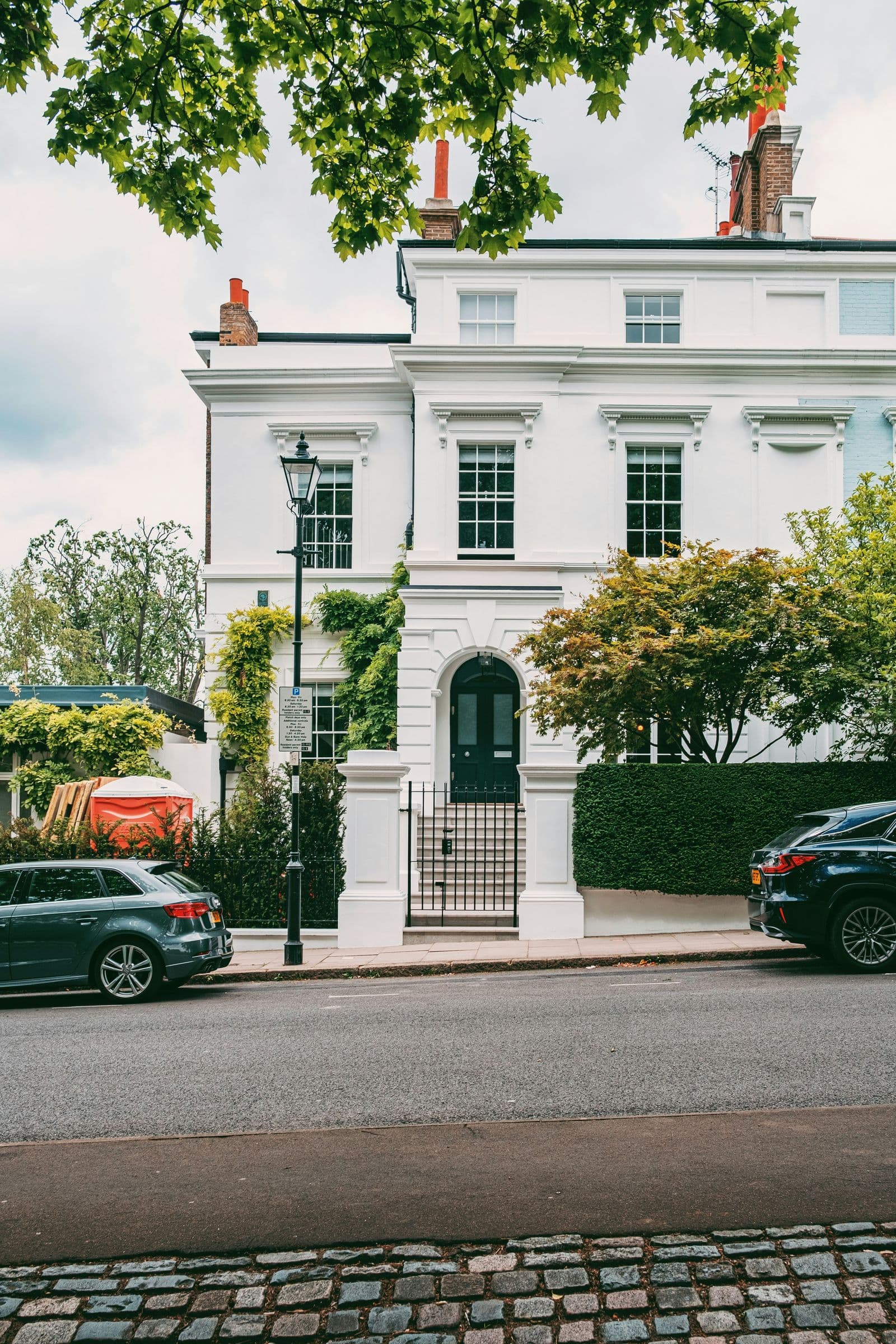
Interior design is the art and science of creating spaces that are not only visually stunning but also perfectly attuned to how you live. In Hampstead and its surrounding areas—Hampstead Heath, West Hampstead, and the prestigious postcodes of NW3 and NW6—interior design takes on particular significance. Here, where Victorian townhouses, Edwardian mansion blocks, Georgian villas, and contem porary architectural gems sit side by side, the right interior design can transform a property into a home that honours its heritage while meeting the demands of modern living.
Whether you’re renovating a period property, furnishing a new-build apartment, or simply refreshing a single room, understanding the full scope of interior design services, knowing when to engage a pro fessional, and understanding the costs involved will help you achieve the best possible outcome. This comprehensive guide covers everything you need to know about interior design in Hampstead—from the complete range of services available and how designers charge, to selecting the right professional for your project and navigating the unique considerations of designing within conservation areas and listed buildings.
Part 1: Understanding Interior Design Services
What Does an Interior Designer Do?
An interior designer is a qualified professional who creates functional, aesthetically pleasing interior spaces. Unlike interior decorators who focus primarily on surface aesthetics, interior designers are trained to under stand spatial planning, building regulations, materials, and how people interact with their environments. Their work encompasses:
- Space Planning: Optimising layouts for flow, functionality, and comfort
- Concept Development: Creating cohesive design visions that reflect your style and needs • Material and Finish Selection: Choosing flooring, wall coverings, fabrics, and surfaces • Furniture, Fixtures & Equipment (FF&E): Sourcing and specifying all movable items • Lighting Design: Planning ambient, task, and accent lighting schemes
- Custom Joinery and Millwork: Designing bespoke cabinetry, shelving, and architectural details • Project Coordination: Managing contractors, suppliers, and installation
- Budget Management: Ensuring the project stays within financial parameters
The Full Range of Interior Design Services
Interior designers offer a spectrum of services that can be tailored to your needs, budget, and the com plexity of your project.
1. Consultation Services Initial Design Consultation:
- A one-off meeting to discuss your project, assess your space, and provide professional advice • Typically lasts 1-3 hours
- Designer provides verbal recommendations, initial ideas, and guidance on next steps • You receive a summary of key points discussed
Cost: £150 - £500 for a single consultation
Best for: Homeowners who want professional input but plan to execute the project themselves
2. Design-Only Services (Concept to Specification) What it includes:
- Discovery and brief development
- Concept boards and mood boards
- Detailed space planning and furniture layouts
- Material and finish specifications
- FF&E schedules with product recommendations
- Lighting plans
- Colour schemes
- 3D visualisations
What it doesn’t include:
- Procurement of items
- Project management
- Installation coordination
- Contractor liaison
Cost: £500 - £5,000+ per room, or £8,000 - £30,000+ for multi-room/whole-home projects
Best for: Clients who want a professional design plan but prefer to handle purchasing and implementation independently
3. Full-Service Interior Design What it includes:
- All design-only services, plus:
- Procurement of all FF&E items
- Management of orders, deliveries, and storage
- Coordination with contractors and trades
- Site supervision during installation
- Snagging and final styling
- Aftercare and warranty management
Cost: 10-20% of total project budget, or £5,000 - £50,000+ depending on project scope Best for: Busy homeowners who want a completely managed, stress-free experience
4. Specialist Services Kitchen and Bathroom Design:
- Detailed layout planning
- Cabinetry and fixture specification
- Material selection (worktops, tiles, flooring)
- Appliance integration
- Lighting design
- Coordination with plumbers and electricians
Cost: £2,000 - £10,000+ per room (design only), £5,000 - £20,000+ (full service) Lighting Design:
- Comprehensive lighting plans
- Fixture specification
- Control system design
- Daylight optimisation
Cost: £1,500 - £5,000+ depending on project size
Custom Joinery and Millwork Design:
- Bespoke cabinetry design
- Wardrobes and storage solutions
- Media units and libraries
- Feature walls and panelling
- Detailed technical drawings for joiners
Cost: £1,000 - £5,000+ for design, plus joinery costs
Soft Furnishings:
- Curtain and blind design
- Upholstery specification
- Cushion and accessory selection
- Bespoke soft furnishing design
Cost: £1,000 - £5,000+ depending on scope
Art Consultancy:
- Art selection and curation
- Commissioning bespoke pieces
- Gallery liaison
- Installation coordination
Cost: £500 - £3,000+ or percentage of art value
Home Staging (for sale):
- Strategic styling to maximise appeal
- Furniture rental and placement
- Decluttering and depersonalisation advice
- Photography preparation
Cost: £1,500 - £5,000+ depending on property size
Interior Design Process: The Seven Stages
Professional interior designers typically follow a structured process to ensure nothing is overlooked and the project runs smoothly.
Stage 1: Discovery and Programming (1-3 weeks) Purpose: To understand you, your lifestyle, and your vision for the space.
Activities:
- Initial consultation to discuss your needs, preferences, and goals
- Detailed questionnaire about how you use your home
- Assessment of your existing furniture and belongings
- Discussion of budget parameters
- Timeline establishment
- Site visit to measure and photograph the space
- Analysis of architectural features and constraints
Deliverables:
- Project brief document
- Initial budget estimate
- Proposed timeline
Stage 2: Concept Development (2-4 weeks) Purpose: To establish the creative direction for the project.
Activities:
- Research and inspiration gathering
- Development of design concepts
- Creation of mood boards showing colour palettes, materials, and overall aesthetic
- Preliminary space planning
- Style direction presentation
Deliverables:
- Mood boards (2-3 concepts typically)
- Preliminary floor plans
- Material palette samples
- Concept presentation to client
Client involvement: Review concepts, provide feedback, select preferred direction
Stage 3: Design Development (4-8 weeks) Purpose: To refine the approved concept into detailed specifications.
Activities:
- Detailed space planning and furniture layouts
- Selection of all materials, finishes, and FF&E
- Development of lighting plans
- Custom joinery design
- Colour scheme finalisation
- 3D visualisations (for complex projects)
- Budget refinement
Deliverables:
- Final floor plans
- Detailed FF&E schedule
- Material and finish specifications
- Lighting plans
- Joinery drawings
- 3D renders (if applicable)
- Detailed cost estimate
Client involvement: Approve all selections, sign off on specifications
Stage 4: Procurement (8-20 weeks) Purpose: To order all specified items and coordinate deliveries. Activities:
- Issuing purchase orders to suppliers
- Negotiating pricing and terms
- Tracking lead times
- Coordinating delivery schedules
- Arranging storage if needed
- Quality checking items on arrival
Deliverables:
- Order confirmations
- Delivery schedule
- Updated budget tracking
Client involvement: Approve final costs, arrange payment (varies by designer)
Stage 5: Implementation and Installation (2-6 weeks) Purpose: To bring the design to life on site.
Activities:
- Coordination with contractors for any building work
- Oversight of trades (decorators, electricians, etc.)
- Furniture and accessory installation
- Curtain and blind fitting
- Artwork hanging
- Final styling and dressing
Deliverables:
- Site supervision reports
- Snagging list
- Final installation
Client involvement: Site visits, final approvals
Stage 6: Reveal and Handover (1 week) Purpose: To present the completed project and provide documentation.
Activities:
- Final styling and photography
- Client walkthrough
- Explanation of systems and features
- Provision of care instructions
- Warranty information compilation
Deliverables:
- Project photography
- Care and maintenance guide
- Warranty documentation
- Final invoice
Stage 7: Aftercare (Ongoing) Purpose: To ensure continued satisfaction and address any issues. Activities:
- Follow-up visit (typically 3-6 months after completion)
- Addressing any snagging items
- Warranty claim assistance if needed
- Future project discussion
Part 2: Interior Design Fees and Costs in Hampstead
How Interior Designers Charge
Interior designers in London, and particularly in high-end areas like Hampstead, use several fee structures. Understanding these helps you compare quotes and choose the arrangement that works best for you.
1. Hourly Rates Designers charge for their time at an agreed hourly rate.
Typical rates in London (2024-2025):
- Junior designer: £50 - £80 per hour
- Mid-level designer: £80 - £150 per hour
- Senior/Principal designer: £150 - £300+ per hour
- Celebrity/high-end designers: £300 - £500+ per hour
Best for: Consultations, small projects, or when scope is unclear
Considerations: Costs can escalate if the project scope expands. Always ask for an estimate of total hours.
2. Fixed Fees (Per Room or Project) A set price is agreed for a defined scope of work. Typical fixed fees:
- Single room design: £1,500 - £8,000+
- Kitchen design: £2,500 - £10,000+
- Bathroom design: £2,000 - £8,000+
- Multi-room project: £8,000 - £30,000+
- Whole-home project: £30,000 - £100,000+
Best for: Well-defined projects where scope is unlikely to change
Considerations: Changes to scope may incur additional fees. Ensure the fee schedule clearly defines what’s included.
3. Percentage of Project Budget The designer charges a percentage of the total project spend (excluding construction costs in some cases).
Typical percentages:
- Full-service design: 10-20% of FF&E budget
- High-end/luxury projects: 15-25%
- Commercial projects: 10-15%
Example calculation:
- Total FF&E budget: £100,000
- Designer fee at 15%: £15,000
Best for: Large projects where FF&E spend is significant
Considerations: Some clients worry about potential conflicts of interest (designer may specify more ex pensive items). Reputable designers will prioritise your best interests regardless of fee structure.
4. Cost-Plus (Markup on Products) The designer charges retail prices for products and retains the difference between trade and retail as their fee.
Typical markups:
- Furniture: 20-40%
- Fabrics and soft furnishings: 30-50%
- Accessories: 40-60%
Best for: Clients who prefer not to pay separate design fees
Considerations: Transparency varies. Some designers are open about their markup; others are not. Always ask how pricing works.
5. Hybrid Models Many designers combine fee structures:
- Fixed design fee + markup on products
- Hourly for design + percentage for procurement
- Retainer + hourly billing
Typical Project Costs in Hampstead
The following are indicative costs for interior design projects in Hampstead and surrounding NW3 and NW6 postcodes. Costs vary significantly based on property size, specification level, and designer experience.
Single Room Projects Living Room:
- Design only: £1,500 - £5,000
- Full service (mid-range): £15,000 - £35,000 total
- Full service (high-end): £35,000 - £80,000+ total
Bedroom:
- Design only: £1,200 - £4,000
- Full service (mid-range): £12,000 - £25,000 total
- Full service (high-end): £25,000 - £60,000+ total
Kitchen:
- Design only: £2,500 - £8,000
- Full service (mid-range): £30,000 - £70,000 total
- Full service (high-end): £70,000 - £150,000+ total
Bathroom:
- Design only: £2,000 - £6,000
- Full service (mid-range): £15,000 - £35,000 total
- Full service (high-end): £35,000 - £80,000+ total
Multi-Room and Whole-Home Projects Two-Three Rooms:
- Design only: £5,000 - £15,000
- Full service (mid-range): £40,000 - £100,000 total
- Full service (high-end): £100,000 - £250,000+ total
Whole Apartment (2-3 bedrooms):
- Design only: £10,000 - £30,000
- Full service (mid-range): £80,000 - £200,000 total
- Full service (high-end): £200,000 - £500,000+ total
Whole House (4-5 bedrooms):
- Design only: £20,000 - £60,000
- Full service (mid-range): £150,000 - £400,000 total
- Full service (high-end): £400,000 - £1,000,000+ total
Cost Breakdown: Where Your Money Goes
For a typical £100,000 full-service interior design project:
Design Fees (10-20%): £10,000 - £20,000
- Discovery and concept development: 20%
- Design development and specifications: 30%
- Procurement management: 25%
- Installation and project management: 25%
Furniture (30-40%): £30,000 - £40,000
- Sofas and armchairs: £8,000 - £15,000
- Tables: £3,000 - £8,000
- Beds and bedroom furniture: £8,000 - £15,000
- Storage furniture: £5,000 - £10,000
- Dining furniture: £3,000 - £8,000
Soft Furnishings (10-15%): £10,000 - £15,000
- Curtains and blinds: £5,000 - £10,000
- Upholstery: £3,000 - £6,000
- Cushions, throws, rugs: £2,000 - £4,000
Lighting (5-10%): £5,000 - £10,000
- Decorative lighting: £3,000 - £7,000
- Installation: £2,000 - £3,000
Materials and Finishes (10-15%): £10,000 - £15,000
- Flooring: £5,000 - £10,000
- Paint and wall coverings: £2,000 - £4,000
- Worktops and surfaces: £3,000 - £6,000
Accessories and Styling (5-10%): £5,000 - £10,000
- Artwork: £2,000 - £5,000
- Mirrors and decorative objects: £2,000 - £4,000
- Plants and styling items: £1,000 - £2,000
Installation and Trades (10-15%): £10,000 - £15,000
- Decorating: £5,000 - £10,000
- Electrical work: £2,000 - £4,000
- Curtain fitting: £1,000 - £2,000
- Miscellaneous trades: £2,000 - £4,000
Contingency (10%): £10,000
- Essential buffer for unexpected costs
Factors Affecting Interior Design Costs
Property Type and Size:
- Larger properties require more design time and more furnishings
- Period properties may need specialist expertise
- Listed buildings require additional heritage considerations
Project Scope:
- Cosmetic refresh (paint, furniture, accessories): Lower cost
- Full renovation with structural changes: Higher cost
- New build with complete fit-out: Highest cost
Specification Level:
- Mid-range: High street and accessible designer brands
- High-end: Established designer brands and bespoke pieces
- Luxury: Bespoke everything, artisan craftsmanship, rare materials
Designer Experience and Reputation:
- Emerging designers: Lower fees, building portfolio
- Established designers: Standard market rates
- Celebrity/designer names: Premium rates
Location:
- London (including Hampstead): 20-40% higher than national average
- Prime postcodes (NW3, NW6): Premium for local expertise
Managing Your Interior Design Budget
Tips for Cost Control:
1. Be clear about your budget from the outset
- Share your realistic budget with your designer early
- Discuss priorities—where to splurge and where to save
2. Phase your project
- Complete essential rooms first
- Add secondary spaces later as budget allows
3. Mix high and low
- Invest in key pieces (sofa, bed, dining table)
- Save on accessories and trend-led items
4. Consider design-only services
- Get the professional plan, execute yourself
- Shop from the designer’s specification independently
5. Be decisive
- Changes after ordering can be costly
- Finalise decisions during the design phase
6. Understand the total cost
- Design fees are just one component
- Factor in products, installation, and contingency
Part 3: Interior Design Styles for Hampstead Homes
Responding to Hampstead’s Architectural Heritage
Hampstead’s diverse architectural landscape calls for interior design that respects and enhances each property’s unique character. Here’s how to approach different property types:
Victorian Townhouses (NW3, NW6) Architectural Characteristics:
- High ceilings (3-4 metres)
- Ornate plasterwork and cornicing
- Original fireplaces
- Sash windows
- Decorative floor tiles in hallways
- Bay windows
Design Approaches:
Classic Elegance:
- Restore and highlight original features
- Traditional colour palettes (deep blues, greens, reds)
- Antique and vintage furniture mixed with quality reproductions
- Rich fabrics (velvet, silk, damask)
- Patterned carpets and rugs
- Crystal chandeliers and wall sconces
Contemporary Contrast:
- Preserve original features as architectural anchors
- Introduce modern furniture with clean lines
- Neutral backdrop with bold contemporary art
- Minimal window treatments to maximise light
- Modern lighting alongside period fixtures
- Polished concrete or wide-plank wood floors
Transitional Blend:
- Respectful restoration of period details
- Classic furniture shapes in contemporary fabrics
- Neutral base with carefully chosen accent colours
- Mix of antique and modern pieces
- Layered textures for depth
Edwardian Properties (NW3, NW6) Architectural Characteristics:
- Wider rooms than Victorian era
- Lighter, brighter spaces
- Simpler mouldings
- Parquet flooring popular
- Larger windows
- Less ornate than Victorian
Design Approaches:
Edwardian Revival:
- Light, airy colour schemes
- Natural materials (linen, cotton, wool)
- Arts & Crafts influences
- Botanical prints and patterns
- Light wood furniture
- Simple, elegant lines
Modern Edwardian:
- Maintain spacious, light-filled feel
- Contemporary furniture in natural materials
- Subtle colour palettes (whites, greys, soft blues)
- Minimal window treatments
- Modern art in traditional frames
Georgian and Regency Villas (NW3) Architectural Characteristics: • Symmetrical proportions
- High ceilings
- Sash windows with shutters
- Panelled doors
- Elegant proportions
- Often listed buildings
Design Approaches:
Georgian Grandeur:
- Formal, symmetrical furniture arrangements
- Classical colour schemes (pale blues, greens, creams)
- Quality antiques and traditional upholstery
- Gilded mirrors and picture frames
- Silk curtains and swags
- Traditional portraits and landscapes
Contemporary Georgian:
- Respect for classical proportions
- Modern art in traditional settings
- Contemporary furniture with classical references
- Neutral palette with carefully chosen accents
- Minimal intervention to architectural fabric
Mansion Block Apartments (NW3, NW6) Architectural Characteristics: • Generous room proportions
- High ceilings
- Large windows
- Period details (fireplaces, cornicing)
- Often leasehold with restrictions
Design Approaches:
Urban Sophistication:
- City-appropriate scale furniture
- Luxurious materials (marble, brass, velvet)
- Statement lighting
- Built-in storage solutions
- Neutral palette with rich accents
Modern Minimalism:
- Clean lines and uncluttered spaces
- Built-in everything
- Limited, high-quality pieces
- Maximum natural light
- Subtle texture and material variation
Contemporary and Modernist Homes Architectural Characteristics:
- Clean lines and geometric forms
- Large glass elements
- Open-plan living
- Minimal ornamentation
- Connection to outdoor space
Design Approaches:
Contemporary Cohesion:
- Furniture that complements architectural lines
- Natural materials (wood, stone, leather)
- Bold, sculptural pieces
- Integrated technology
- Indoor plants and natural elements
Warm Modernism:
- Soften minimal architecture with texture
- Layered textiles and soft furnishings
- Warm wood tones
- Comfortable, inviting furniture
- Personal collections and art
Current Interior Design Trends (2024-2025)
1. Quiet Luxury 2.0 Building on the quiet luxury trend, this evolved approach combines: • Elevated, organic forms in furniture
- Richer decorative elements than pure minimalism
- Textured fabrics and subtle patterns
- Quality over quantity
- Investment pieces that last
How it works in Hampstead: Perfect for period properties where quality craftsmanship is already present. Enhances rather than competes with architectural character.
2. Dopamine Luxe (Sophisticated Maximalism) A refined take on maximalism featuring: • Vibrant but carefully curated colour palettes
- Contrasting patterns used with confidence
- Bold decorative elements executed with noble materials
- Joyful, personality-filled spaces
- Exceptional craftsmanship
How it works in Hampstead: Ideal for clients wanting to make a statement in contemporary homes or confident period properties.
3. Grandmillennial Chic Traditional elements with a contemporary twist: • Floral patterns and chintz
- Vintage and antique furniture
- Classic silhouettes updated
- Layered, collected feel
- Nostalgic but not dated
How it works in Hampstead: Natural fit for Edwardian and Victorian properties. Embraces the traditional while feeling fresh.
4. Textural Richness Focus on tactile, organic surfaces:
- Textured wall finishes (Venetian plaster, limewash, tadelakt)
- Natural timbers with visible grain
- Hand-crafted ceramics and objects
- Layered textiles
- Imperfect, organic forms
How it works in Hampstead: Adds warmth and character to any property type. Particularly effective in modern homes needing soul.
5. Arches and Curves Softening architecture with curved forms:
- Arched doorways and openings
- Curved furniture silhouettes
- Rounded corners on cabinetry
- Organic, flowing shapes
How it works in Hampstead: Complements the curved bay windows common in Victorian and Edwardian properties.
6. Biophilic Design Connecting interiors with nature:
- Abundant indoor plants
- Natural materials and textures
- Nature-inspired colours
- Maximising natural light
- Views to gardens and greenery
How it works in Hampstead: Perfect for properties near Hampstead Heath. Extends the natural environ ment indoors.
7. Sustainable Luxury Environmental responsibility meets high-end design: • Responsibly sourced materials
- Vintage and antique pieces
- Investment furniture built to last
- Energy-efficient lighting and systems
- Local craftspeople and makers
How it works in Hampstead: Aligns with Camden’s sustainability goals and the values of many Hampstead residents.
Colour Palettes for Hampstead Homes
Classic Period Palettes Victorian Richness:
- Deep teal, forest green, burgundy
- Warm neutrals (taupe, cream, mushroom)
- Gold and brass accents
- Rich wood tones
Edwardian Lightness:
- Soft sage, dusty blue, pale pink
- Cream and white
- Light oak and pine
- Subtle pattern
Georgian Elegance:
- Pale blue, soft green, warm grey
- Cream and off-white
- Mahogany and walnut
- Gilded accents
Contemporary Palettes Neutral Sophistication:
- Warm whites and creams
- Greige and taupe
- Charcoal and black accents
- Natural wood and leather
Bold and Beautiful:
- Deep navy, emerald green, ochre
- Terracotta and rust
- Mustard and teal
- Rich jewel tones
Scandinavian Calm:
- White and pale grey
- Soft blue and blush
- Light oak and birch
- Black accents
Part 4: Special Considerations for Hampstead Properties
Designing Within Conservation Areas
Most of Hampstead falls within conservation areas, which affects interior design in several ways:
Window Treatments Restrictions:
- Front-facing windows may require traditional treatments
- Shutters often preferred over modern blinds
- Curtain poles should be sympathetic to period
Design Solutions:
- Traditional shutters (painted or stained)
- Elegant curtain poles with finials
- Floor-length curtains in quality fabrics
- Sheer under-curtains for privacy
- Avoid visible roller blinds on front elevations
Fireplace Restoration and Design Original Features:
- Many Hampstead properties have original fireplaces
- Restoration often adds significant value
- Listed building consent may be required for removal
Design Approaches:
- Restore original fireplaces where possible
- Source period-appropriate replacements if missing
- Traditional fire baskets and grates
- Quality mantelpiece styling
- Mirror or artwork above
Lighting in Period Properties Considerations:
- Original ceiling roses and cornicing
- Limited ceiling fixing points
- Need to conceal wiring
Design Solutions:
- Restore original ceiling roses with period-appropriate fittings
- Table and floor lamps for flexibility
- Picture lights for artwork
- Wall sconces where appropriate
- Modern recessed lighting only where hidden
Listed Building Considerations
If your Hampstead property is listed (Grade I, II*, or II), interior design requires additional care:
What Requires Listed Building Consent
- Removal or alteration of original features (fireplaces, panelling, staircases)
- Changes to room layouts affecting historic fabric
- Installation of modern systems (air conditioning, extensive electrics)
- Alterations to original windows and doors
- Changes to decorative plasterwork
Working Within Constraints Design Principles:
- Preserve and enhance original features
- Any new elements should be reversible
- Use traditional materials and techniques where possible
- Document everything before making changes
- Work with heritage consultants for major projects
Opportunities:
- Original features become design anchors
- Quality restoration adds significant value
- Historic character is a unique selling point
- Grants may be available for restoration work
Hampstead Garden Suburb Trust Requirements
Properties within the original Hampstead Garden Suburb are subject to additional controls:
What Requires Trust Consent
- External alterations (including visible from outside)
- Window replacements
- External painting
- Garden structures
- Tree and hedge work
- Driveways and hardstandings
Interior Implications
- Window treatments visible from outside may require approval
- External lighting needs consent
- Any work affecting external appearance must be considered
- Annual management charge applies
Leasehold Considerations
Many Hampstead properties (particularly mansion blocks) are leasehold:
Common Restrictions
- Alterations requiring landlord consent
- Restrictions on flooring types (noise)
- Limitations on external changes
- Service charge implications
Design Implications
- Check lease before planning any work
- Factor in landlord approval time
- Consider impact on neighbours
- Built-in storage may be preferable to freestanding
Part 5: When to Hire an Interior Designer
The Ideal Timing
The simple answer: As early as possible.
For Renovations and Extensions Best time to engage: During architectural planning, before con struction begins
Why early engagement matters:
- Interior designer can influence layout decisions
- Electrical and lighting plans can be integrated
- Joinery and built-in elements designed with architecture
- Material selections made before construction locks in options
- Avoids costly changes later
Timeline: 6-12 months before construction completion
For New Builds Best time to engage: During architectural design phase
Why early engagement matters:
- Floor plans can be optimised for furniture placement
- Window positions consider interior requirements
- Lighting design integrated from the start
- Material palettes developed cohesively
- Full vision established before build starts
Timeline: 12-24 months before completion
For Refurbishment and Reconfiguration Best time to engage: Before any work begins Why early engagement matters:
- Comprehensive plan developed before disruption
- All trades coordinated through design
- Budget established and controlled
- Phasing strategy if needed
Timeline: 3-6 months before work starts
For Furniture and Styling Only Best time to engage: When space is ready for furnishing Considerations:
- Room dimensions confirmed
- Any building work complete
- Budget available for furnishings
Timeline: 2-4 months before desired completion
Signs You Need an Interior Designer
You’re feeling overwhelmed
- Too many choices, decision fatigue
- Don’t know where to start
- Worried about making expensive mistakes
You want a cohesive look
- Tired of rooms that don’t work together
- Want a unified vision throughout your home
- Need help pulling everything together
You’re investing significantly
- Spending £20,000+ on furnishings
- Want to protect and enhance property value
- Need professional quality control
You lack time
- Busy professional with limited free time
- Don’t want to manage multiple suppliers
- Want someone to coordinate everything
You have specific challenges
- Awkward room shapes or sizes
- Need to maximise storage
- Want to improve flow and functionality
You’re renovating or extending
- Making structural changes
- Need to coordinate with builders
- Want design continuity
When You Might Not Need a Full-Service Designer
Small-scale projects
- Single room refresh under £10,000
- Paint and accessory updates only
- Confident in your own taste
Clear vision and time
- Know exactly what you want
- Enjoy the process of sourcing
- Have time to manage contractors
Budget constraints
- Limited funds for design fees
- Happy to use design-only service
- Willing to execute yourself
Working with an architectural interior designer
- Architect offers interior design services
- Comfortable with combined service
- Project is straightforward
Part 6: How to Choose the Right Interior Designer
Key Criteria for Selection
1. Portfolio and Style Compatibility What to look for:
- Projects similar in scale to yours
- Experience with your property type
- Design aesthetic that resonates with you
- Quality of finished projects
- Range of styles (flexibility) or consistent signature style
Questions to ask:
- “Can you show me projects similar to mine?”
- “How do you adapt your style to different clients?”
- “Can I visit a completed project?”
2. Experience and Qualifications Professional Memberships:
- BIID Registered Interior Designer®: Gold standard in UK, requires 6 years education/expe rience, professional review, insurance
- SBID Accredited Designer: Society of British & International Interior Design accreditation • CSD Chartered Designer: Chartered Society of Designers
Why qualifications matter:
- Demonstrates professional competence
- Requires ongoing professional development
- Provides recourse if things go wrong
- Indicates commitment to professional standards
Questions to ask:
- “What professional memberships do you hold?”
- “How long have you been practising?”
- “What training have you undertaken?”
3. Process and Communication What to assess:
- Clear explanation of their process
- Good communication during initial meetings
- Responsiveness to enquiries
- Willingness to listen to your ideas
- Ability to explain design decisions
Questions to ask:
- “Can you walk me through your design process?”
- “How do you communicate with clients?”
- “How often will we meet during the project?”
- “What happens if I don’t like a design proposal?”
4. Local Knowledge Why it matters for Hampstead:
- Understanding of local property types
- Knowledge of conservation area requirements
- Relationships with local suppliers and trades
- Awareness of local planning considerations
- Experience with similar projects in the area
Questions to ask:
- “Have you worked on projects in Hampstead before?”
- “Do you understand conservation area requirements?”
- “Do you have relationships with local suppliers?”
5. Fee Structure and Transparency What to look for:
- Clear explanation of fees
- Written fee proposal
- Transparent pricing for products
- No hidden costs
- Clear payment schedule
Questions to ask:
- “How do you structure your fees?”
- “What’s included in your fee?”
- “How do you charge for products?”
- “Are there any additional costs I should expect?”
6. References and Reviews What to check:
- Client testimonials
- Online reviews
- References from past clients
- Case studies with before/after
Questions to ask references:
- “How was your overall experience?”
- “Did the project stay on budget?”
- “How did they handle challenges?”
- “Would you work with them again?”
The Selection Process
Step 1: Create a Longlist Sources:
- Personal recommendations
- Online directories (BIID, SBID, Houzz)
- Instagram and Pinterest
- Interior design magazines
- Local estate agents
- Completed projects in the area you admire
Aim for 5-8 designers for initial research.
Step 2: Review Portfolios For each designer:
- Visit their website
- Review their portfolio thoroughly
- Check their Instagram/social media
- Look for projects similar to yours
- Assess design quality and attention to detail
Step 3: Create a Shortlist Narrow to 2-3 designers based on:
- Style compatibility
- Relevant experience
- Professional qualifications
- Initial impression
Step 4: Initial Consultations Most designers offer a free or low-cost initial consultation (30-60 minutes).
Prepare:
- Photos of your space
- Inspiration images
- Rough budget indication
- List of requirements
- Questions to ask
During the consultation:
- Assess their listening skills
- See if they understand your vision
- Evaluate their suggestions
- Gauge communication style
- Discuss their process and fees
Questions to ask:
- “What’s your initial thought on my project?”
- “Have you done similar projects?”
- “What’s your design philosophy?”
- “How do you handle budget constraints?”
- “What’s your timeline for a project like this?”
- “Can you provide references?”
Step 5: Review Proposals Request written proposals from shortlisted designers including: • Scope of services
- Fee structure
- Proposed timeline
- Any initial ideas
Compare:
- What’s included/excluded
- Fee value (not just lowest cost)
- Chemistry and communication
- Professionalism of proposal
Step 6: Check References Speak to 2-3 past clients about:
- Overall experience
- Design quality
- Budget management
- Communication
- Problem resolution
- Would they recommend
Step 7: Make Your Decision Consider all factors:
- Design quality and style fit
- Experience and qualifications
- Communication and chemistry
- Fee transparency and value
- References and reputation
- Your gut feeling
Red Flags to Watch For
Be cautious of designers who:
- Cannot provide evidence of professional membership or insurance
- Are unwilling to provide references
- Cannot explain their fee structure clearly
- Promise unrealistic timelines or budgets
- Don’t listen to your requirements
- Push their own agenda over your vision
- Are significantly cheaper than competitors (may indicate inexperience or cutting corners) • Have poor communication during initial meetings
- Cannot show relevant project experience
- Pressure you to make quick decisions
Part 7: Working with Your Interior Designer
Establishing a Successful Working Relationship
Clear Communication From the start:
- Be honest about your budget (including buffer)
- Share your lifestyle requirements in detail
- Communicate your style preferences clearly
- Discuss any concerns or non-negotiables
- Establish preferred communication methods
Throughout the project:
- Respond to queries promptly
- Provide feedback on designs
- Ask questions if anything is unclear
- Flag concerns early
- Keep an open mind
The Design Brief A comprehensive brief is essential. Work with your designer to document: Lifestyle Requirements:
- How you use each space
- Who lives in/uses the home
- Daily routines and habits
- Entertaining style
- Storage needs
- Technology requirements
Style Preferences:
- Inspiration images
- Colours you love/avoid
- Furniture styles you prefer
- Overall atmosphere desired
- Any dislikes to avoid
Practical Considerations:
- Budget parameters
- Timeline constraints
- Any existing pieces to incorporate
- Pets, children, accessibility needs
- Maintenance preferences
Managing Expectations Timelines:
- Quality interior design takes time
- Single room: 4-7 months typically
- Whole home: 9-18 months typically
- Delays happen (shipping, manufacturing)
- Build in buffer time
Budgets:
- Be realistic about what things cost
- Quality costs more but lasts longer
- Contingency is essential (10-20%)
- Changes after ordering are expensive
Process:
- Design is iterative
- Multiple rounds of refinement are normal
- Your input is crucial at each stage
- Trust the process
The Client’s Role
Be decisive
- Review presentations promptly
- Provide clear feedback
- Make decisions within agreed timeframes
- Understand that delays affect the whole project
Be honest
- If you don’t like something, say so
- Share your real budget, not an aspiration
- Communicate concerns early
- Ask questions when unsure
Be open
- Consider suggestions outside your comfort zone
- Trust your designer’s expertise
- Understand that their recommendations are professional, not personal
- Be willing to explore new ideas
Be realistic
- Understand that Pinterest perfection takes time and budget
- Recognise constraints (space, budget, structural)
- Accept that compromises may be necessary
- Focus on the overall vision, not every tiny detail
Common Challenges and Solutions
Challenge: “I don’t like the initial concept”
Solution:
- Provide specific feedback on what doesn’t work
- Share additional inspiration images
- Ask for a revised concept in a different direction
- Remember, this is why you pay a professional—to explore options
Challenge: “The budget is escalating”
Solution:
- Request a budget review meeting
- Identify where costs have increased
- Discuss value engineering options
- Prioritise must-haves vs. nice-to-haves
- Consider phasing the project
Challenge: “Items are delayed”
Solution:
- Understand that some delays are unavoidable
- Ask about alternatives with shorter lead times
- Consider temporary solutions
- Use the time to focus on other aspects
Challenge: “I’m overwhelmed by decisions”
Solution:
- Ask your designer to narrow options
- Trust their recommendations
- Focus on how choices work together, not in isolation
- Take breaks when needed
Part 8: Case Studies
Case Study 1: Victorian Townhouse Living Room, Hampstead NW3 The Property:
A four-bedroom Victorian terraced house in the Hampstead Conservation Area with high ceilings, original cornicing, and a beautiful fireplace.
The Brief:
The clients wanted to create a sophisticated living room that honoured the property’s Victorian heritage while feeling fresh and contemporary. They needed space for entertaining and family relaxation.
The Challenge:
- Balancing period features with modern comfort
- Creating a layout that worked for both entertaining and daily life
- Maximising natural light while respecting conservation area restrictions on window treatments • Incorporating existing antique furniture pieces
The Solution:
The designer developed a “contemporary classic” scheme:
- Walls painted in Farrow & Ball “De Nimes” (soft blue-grey)
- Original cornicing and fireplace restored and highlighted
- Large contemporary sofa in navy velvet as the anchor piece
- Antique armchairs reupholstered in complementary fabric
- Modern coffee table with clean lines
- Traditional shutters restored and painted
- Layered lighting: restored ceiling rose with modern pendant, table lamps, picture lights • Large area rug defining the seating area
- Contemporary art in traditional gilt frames
- Built-in bookshelves designed to fit the alcoves
The Process:
- Design phase: 6 weeks
- Procurement: 12 weeks
- Installation: 2 weeks
- Total project time: 5 months
The Investment:
- Design fees: £4,500
- Furniture and furnishings: £28,000
- Lighting: £4,000
- Accessories and styling: £3,000
- Installation and trades: £3,500
- Total: £43,000
The Outcome:
A living room that feels both timeless and contemporary. The original features shine, while modern pieces provide comfort and functionality. The space works equally well for family movie nights and formal entertaining.
Key Lessons:
- Restoring original features adds immeasurable character
- Mixing periods creates depth and interest
- Quality upholstery transforms existing pieces
- Layered lighting is essential in period rooms
Case Study 2: Whole-Home Design for Edwardian Family House, West Hampstead NW6 The Property:
A five-bedroom Edwardian semi-detached house with generous proportions, original features, and a south facing garden.
The Brief:
A young family wanted a complete interior overhaul that would create a cohesive, practical home for modern family life while respecting the Edwardian character. They needed durable, family-friendly materials and plenty of storage.
The Challenge:
- Creating a cohesive design across multiple rooms
- Balancing family practicality with sophisticated aesthetics
- Maximising storage without losing character
- Working within a defined budget
- Phasing the project to minimise disruption
The Solution:
A “modern Edwardian” scheme throughout:
Ground Floor:
- Open-plan kitchen-diner with bespoke cabinetry in soft grey
- Large island with seating for casual dining
- Pendant lighting over island
- Dining area with extendable table for entertaining
- Living room with comfortable sectional sofa
- Playful but sophisticated colour palette (sage green, blush pink, navy)
First Floor:
- Principal bedroom with calming palette and quality bedding
- Built-in wardrobes in alcoves
- Children’s bedrooms with adaptable furniture
- Family bathroom with classic white sanitaryware and patterned floor tiles
Second Floor:
- Guest bedroom
- Home office
- Additional bathroom
The Process:
- Design phase: 12 weeks
- Procurement: 16 weeks
- Installation: 4 weeks
- Total project time: 8 months
The Investment:
- Design fees: £18,000
- Kitchen (including appliances): £45,000
- Furniture and furnishings: £55,000
- Lighting: £8,000
- Soft furnishings: £12,000
- Flooring and materials: £15,000
- Installation and trades: £12,000
- Total: £165,000
The Outcome:
A beautiful, practical family home that feels cohesive throughout. The Edwardian character is respected and enhanced, while modern elements ensure the home works for contemporary family life. Storage solutions are seamlessly integrated.
Key Lessons:
- Whole-home design creates cohesion
- Built-in storage maximises space efficiency
- Family homes can be both practical and beautiful
- Phasing allows budget management
Case Study 3: Contemporary Apartment in Mansion Block, Hampstead NW3 The Property:
A three-bedroom apartment in a prestigious Edwardian mansion block with high ceilings, large windows, and period details.
The Brief:
A professional couple wanted a sophisticated, minimalist interior that complemented the apartment’s elegant architecture. They wanted a calm, uncluttered space with hidden storage and high-quality finishes.
The Challenge:
- Leasehold restrictions on alterations
- Need for extensive built-in storage
- Creating minimalist aesthetic in a period setting
- Maximising the sense of space
- Integrating technology discreetly
The Solution:
A refined, minimal scheme:
- Neutral palette throughout (warm whites, soft greys, natural oak)
- Bespoke joinery throughout: media unit, bookshelves, wardrobes, hallway storage • Minimal window treatments: sheer curtains with blackout blinds
- Quality over quantity: fewer, better pieces
- Statement lighting: contemporary pendants and sculptural floor lamps
- Natural materials: oak, linen, wool, leather
- Integrated technology: hidden speakers, automated blinds
- Carefully curated art collection
The Process:
- Design phase: 10 weeks
- Procurement: 14 weeks
- Installation: 3 weeks
- Total project time: 7 months
The Investment:
- Design fees: £15,000
- Bespoke joinery: £35,000
- Furniture: £40,000
- Lighting: £7,000
- Soft furnishings: £8,000
- Accessories and art: £10,000
- Installation: £8,000
- Total: £123,000
The Outcome:
A calm, sophisticated home that feels spacious and serene. The bespoke joinery provides abundant storage while maintaining clean lines. The neutral palette allows the architecture to shine.
Key Lessons:
- Bespoke joinery is transformative in apartments
- Minimalism requires careful curation
- Quality materials elevate simple design
- Integrated technology maintains aesthetic purity
Case Study 4: Listed Georgian Villa Restoration, Hampstead NW3
The Property:
A Grade II listed Georgian villa with magnificent proportions, original features, and a requirement for sensitive restoration.
The Brief:
The owners wanted to restore the property’s historic character while creating comfortable, elegant interiors suitable for modern living and entertaining.
The Challenge:
- Listed building constraints on all alterations
- Need for specialist restoration trades
- Balancing historic accuracy with modern comfort
- Significant budget for quality restoration
- Coordinating with heritage consultants
The Solution:
A sympathetic restoration with carefully considered contemporary interventions: • Original plasterwork and cornicing restored by specialists
- Fireplaces restored with appropriate grates and surrounds
- Floorboards restored and finished with traditional oils
- Sash windows restored with traditional cord and weight mechanisms
- Walls painted in historically appropriate colours (Farrow & Ball estate emulsions) • Traditional furniture styles in quality fabrics
- Modern kitchen discreetly integrated into former service area
- Modern bathrooms with traditional sanitaryware
- Contemporary art in traditional frames
- Discreet modern lighting alongside period fixtures
The Process:
- Design and planning: 16 weeks
- Restoration work: 6 months
- Furnishing: 12 weeks
- Total project time: 14 months
The Investment:
- Design fees: £25,000
- Restoration work: £80,000
- Kitchen: £35,000
- Bathrooms: £25,000
- Furniture and furnishings: £85,000
- Lighting: £12,000
- Soft furnishings: £15,000
- Accessories and art: £18,000
- Total: £295,000
The Outcome:
A magnificent restoration that honours the property’s heritage while providing comfortable modern living. The original features are showcased, and contemporary elements are sensitively integrated.
Key Lessons:
- Listed building work requires patience and expertise
- Specialist trades are essential for quality restoration
- Historic colours enhance period character
- Contemporary art works beautifully in traditional settings
Part 9: Key Suppliers and Resources in Hampstead
Local Showrooms and Suppliers
Furniture:
- The Conran Shop (Marylebone) - Contemporary design classics
- Heal’s (Tottenham Court Road) - British design
- Liberty (Regent Street) - Luxury fabrics and homewares
- Graham & Green (various locations) - Eclectic, global pieces
Fabrics and Soft Furnishings:
- Designers Guild (Kings Road) - Luxury fabrics and wallpapers
- Osborne & Little (King’s Road) - High-end fabrics
- Colefax and Fowler (Brook Street) - Traditional English fabrics
- The Fabric Collective (online) - Curated fabric selection
Lighting:
- Heal’s Lighting Department
- Original BTC (various stockists)
- Porta Romana (Chelsea Harbour) - Luxury lighting
- Vaughan Designs (South Kensington) - Traditional lighting
Kitchens and Bathrooms:
- Harvey Jones (various locations) - Bespoke kitchens
- Smallbone of Devizes (Knightsbridge) - Luxury kitchens
- CP Hart (various locations) - Bathroom specialists
- Drummonds (Chelsea Harbour) - Traditional bathrooms
Flooring:
- The Floor Sanding Company (local) - Floor restoration
- Alternative Flooring (various stockists) - Natural fibre carpets
- Crucial Trading (various stockists) - Natural flooring
Paints:
- Farrow & Ball (Hampstead High Street)
- Little Greene (various locations)
- Mylands (various locations)
Antiques and Vintage:
- Alfies Antique Market (Marylebone)
- Camden Passage (Islington)
- Golborne Road (North Kensington)
Online Resources
Furniture:
- Made.com - Contemporary, accessible
- Swoon Editions - Mid-century inspired
- Secto Design - Scandinavian lighting
- Article - Modern furniture
Trade-Only (accessible through designers):
- De Le Cuona - Luxury fabrics
- Lizzo - High-end fabrics
- Dedar - Designer fabrics
- Pierre Frey - French fabrics
Trade Shows and Events
- Decorex (September, Olympia) - Interior design show
- London Design Week (March, various locations)
- Clerkenwell Design Week (May, Clerkenwell)
- Surface Design Show (February, Business Design Centre)
Part 10: The Value of Professional Interior Design
Return on Investment
Professional interior design delivers value in multiple ways:
Financial Return:
- Well-designed homes can increase in value by 5-15%
- Quality design helps properties sell faster
- Professional presentation attracts higher offers
- Avoids costly mistakes and replacements
Lifestyle Return:
- Spaces that function perfectly for your needs
- Reduced stress from decision-making
- Time saved from managing multiple suppliers
- Enjoyment of a beautiful, cohesive home
Emotional Return:
- Pride in your home
- Comfort and wellbeing
- Sense of sanctuary
- Joy in your surroundings
Why Professional Design Matters in Hampstead
In a high-value property market like Hampstead, professional interior design is particularly important: Property Values:
- Hampstead properties command premium prices
- Quality design protects and enhances investment
- Poor design diminishes value in a discerning market
Heritage Considerations:
- Period properties require sensitive handling
- Professional knowledge of conservation requirements
- Access to specialist trades and materials
Expectations:
- Buyers and visitors expect quality
- Professional finish is the norm in prime postcodes
- Design quality reflects on the entire property
When DIY Makes Sense (and When It Doesn’t)
DIY May Work For:
- Single room refreshes with simple scope
- Confident individuals with clear vision
- Those with time to manage the process
- Tight budgets where design fees aren’t feasible
Professional Design Essential For:
- Whole-home projects
- Properties with heritage considerations
- Complex renovations
- High-value properties where mistakes are costly
- Busy individuals without time to manage
- Those seeking cohesive, professional results
Conclusion
Interior design is an investment in your home, your lifestyle, and your wellbeing. In Hampstead and its surrounding areas—where architectural heritage meets contemporary living—the right interior design can transform a property into a home that honours its past while embracing the present.
Whether you’re undertaking a complete renovation, furnishing a new home, or simply refreshing a single room, understanding the full range of interior design services, knowing how designers charge, and selecting the right professional for your project will help you achieve the best possible outcome.
The key is to start early, communicate clearly, and choose a designer whose expertise, style, and approach align with your vision. With the right professional partnership, your Hampstead home can become a space that not only looks beautiful but functions perfectly for the way you live.
Remember that professional interior design is not a luxury—it’s an investment that pays dividends in property value, lifestyle enhancement, and daily enjoyment of your home. In one of London’s most
prestigious and architecturally significant areas, it’s an investment that makes both financial and practical sense.
Useful Contacts and Resources
Professional Bodies:
- British Institute of Interior Design (BIID): www.biid.org.uk
- Society of British & International Interior Design (SBID): www.sbid.org
- Chartered Society of Designers (CSD): www.csd.org.uk
Find a Designer:
- BIID Registered Interior Designer directory
- SBID Accredited Designer directory
- Houzz UK: www.houzz.co.uk
- The List by House & Garden
Conservation and Heritage:
- Camden Council Planning: www.camden.gov.uk/planning
- Historic England: www.historicengland.org.uk
- Hampstead Garden Suburb Trust: www.hgstrust.org
Publications:
- House & Garden
- World of Interiors
- Elle Decoration
- Wallpaper*
This guide was prepared to provide general information about interior design services in Hampstead, Hampstead Heath, and West Hampstead. Every project is unique, and costs and timelines vary significantly based on scope, specification, and individual circumstances. Always seek professional advice specific to your project before making decisions.
Share this article
Local Painting Pages
Book local painters or read neighbourhood service pages for the areas covered in this guide.
Book Painters Nearby
High-intent local service pages linked from this guide — useful if you are ready for a survey in the same neighbourhood.
Local painters & decorators guide for Hampstead Heath (NW3).
Interior Painting for homes in Hampstead Heath — prep, finishes and local logistics.
Local painters & decorators guide for Hampstead Village (NW3).
Interior Painting for homes in Hampstead Village — prep, finishes and local logistics.
Local painters & decorators guide for West Hampstead (NW6).
Interior Painting for homes in West Hampstead — prep, finishes and local logistics.
Plan the Next Step
Use this guide as a starting point, then explore the most relevant service pages, recent project examples, or request a quote for your own property.
Interior painting and decorating for period and contemporary homes across Hampstead and North London, from a single room to a whole house.
Indicative bands for interiors, exteriors and specialist work across North London.
Tell us about your space, timescale, and finish requirements to get tailored advice.