Introduction
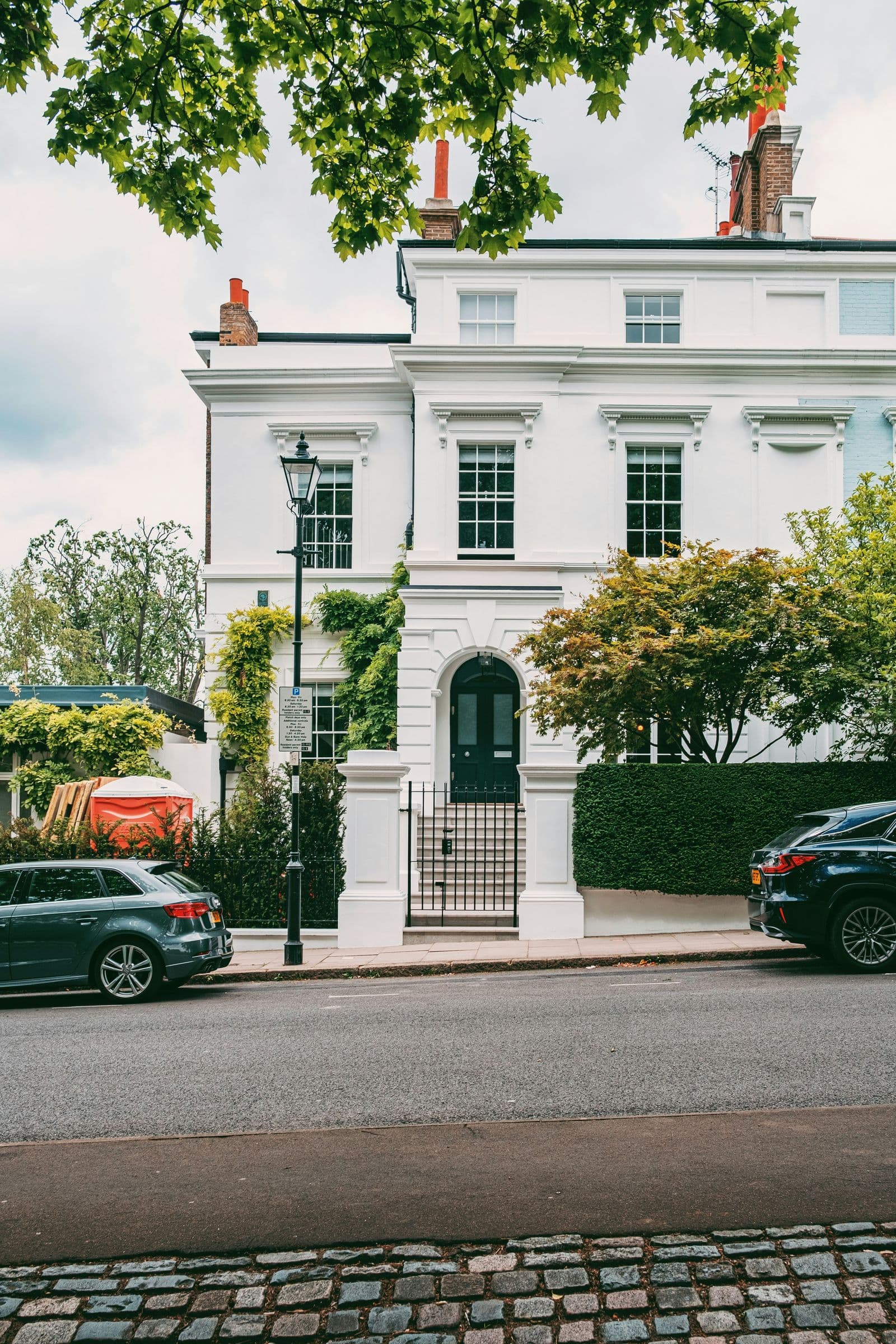
Renovating a property in Hampstead and its surrounding areas—Hampstead Heath, West Hampstead, and the prestigious postcodes of NW3 and NW6—is a significant undertaking that requires careful planning, expert knowledge, and a thorough understanding of local regulations. Whether you’re mod ernising a Victorian townhouse, refurbishing an Edwardian mansion flat, converting a loft, or extending your home, the unique character of Hampstead’s architectural heritage demands a thoughtful approach.
This comprehensive guide covers everything you need to know about renovation, refurbishment, kitchen and bathroom renovations, loft conversions, and house extensions in Hampstead. From understanding costs and navigating Camden Council’s planning requirements to choosing the right contractors and managing your project, this guide provides the detailed information you need to make informed decisions and achieve successful outcomes.
Part 1: Understanding Renovation Types
1.1 Full Property Renovation and Refurbishment
What It Includes:
A full renovation or refurbishment encompasses comprehensive work to update, restore, and improve your entire property. This can range from cosmetic updates to complete structural overhauls.
Types of Renovation:
Cosmetic Refresh (£1,000-£1,600 per m²):
- Repainting throughout
- New flooring
- Updated fixtures and fittings
- Kitchen and bathroom cabinet replacement
- Lighting updates
- No structural changes
Standard Refurbishment (£1,600-£2,500 per m²):
- All cosmetic work plus:
- New kitchen and bathrooms
- Electrical rewiring
- Plumbing updates
- Some layout changes
- Window replacement
- Heating system upgrades
Comprehensive Renovation (£2,500-£3,500+ per m²):
- All standard work plus:
- Structural alterations
- Wall removal or addition
- Extension or loft conversion
- Basement work
- Complete MEP (mechanical, electrical, plumbing) overhaul
- High-end finishes throughout
1.2 Kitchen Renovation
What It Includes:
Kitchen renovation ranges from simple updates to complete redesigns and relocations. Cosmetic Kitchen Update (£5,000-£15,000):
- Cabinet door replacement
- New worktops
- Updated appliances
- New flooring
- Lighting improvements
- Paint and tiling
Partial Kitchen Remodel (£12,000-£25,000):
- New cabinetry
- Worktop replacement
- Appliance upgrade
- Flooring
- Some layout adjustments
- New lighting
Full Kitchen Renovation (£25,000-£60,000+):
- Complete strip-out
- New layout
- Bespoke cabinetry
- Premium worktops
- High-end appliances
- New flooring
- Comprehensive lighting design
- Potential structural changes
1.3 Bathroom Renovation
What It Includes:
Bathroom renovation covers everything from simple refreshes to luxury spa-style transformations. Budget Bathroom (£2,000-£4,500):
- Basic suite replacement
- Standard tiling
- Minimal plumbing changes
- Basic lighting
Standard Bathroom (£4,500-£9,000):
- Quality sanitaryware
- Porcelain or ceramic tiles
- Some layout changes
- Improved lighting
- Heated towel rail
Premium Bathroom (£10,000-£20,000+):
- Luxury fixtures
- Natural stone or microcement
- Full layout reconfiguration
- Underfloor heating
- Feature lighting
- Bespoke cabinetry
1.4 Loft Conversion
What It Includes:
Loft conversion transforms unused roof space into valuable living accommodation. Velux/Rooflight Conversion (£27,500-£45,000):
- Windows added to existing roof
- Floor reinforcement
- Staircase installation
- Minimal external changes
- Best for: Properties with good existing headroom
Dormer Conversion (£40,000-£75,000):
- Box-like extension from roof
- Increased headroom and floor space
- Flat or pitched roof dormer
- Most popular type
Hip-to-Gable Conversion (£50,000-£70,000):
- Converts sloping hip roof to vertical gable
- Significantly increases usable space
- Often combined with rear dormer
- Best for: Semi-detached and detached houses
Mansard Conversion (£60,000-£100,000+):
- Complete roof restructuring
- Maximum additional space
- Near-vertical rear wall
- Always requires planning permission
- Best for: Maximising space in conservation areas
1.5 House Extension
What It Includes:
House extensions add valuable floor space and can transform how you live in your home. Single-Storey Rear Extension (£40,000-£90,000):
- Extends from rear of property
- 3-6 metres depth typically
- Often includes kitchen/dining space
- Most common extension type
Side Return Extension (£60,000-£95,000):
- Infills narrow side passage
- Typical of Victorian/Edwardian properties
- Often combined with rear extension
- Maximises underutilised space
Wraparound Extension (£90,000-£160,000):
- Combines side return and rear extension
- Creates L-shaped addition
- Maximum ground floor expansion
- Requires significant structural work
Double-Storey Extension (£75,000-£180,000+):
- Adds space to two floors
- More cost-effective per m²
- Requires careful structural planning
- Greater planning scrutiny
Part 2: Costs and Budgeting for Hampstead Renovations
2.1 Understanding Cost Per Square Metre
Renovation costs in Hampstead and London are significantly higher than the national average due to: • Higher labour rates (20-30% premium)
- Premium material costs
- Complex logistics (access, parking, deliveries)
- Conservation area requirements
- Higher specification expectations
London Cost Ranges (2024-2025):
Project Type Basic Spec Standard Spec High-End Spec
Refurbishment £2,000-£2,400/m² £2,400-£3,000/m² £3,000-£4,500+/m² Kitchen (fitted) £8,000-£15,000 £15,000-£30,000 £30,000-£60,000+ Bathroom (fitted) £4,500-£9,000 £9,000-£15,000 £15,000-£30,000+ Loft Conversion £2,000-£2,600/m² £2,600-£3,500/m² £3,500-£4,500+/m² Single Extension £2,500-£3,200/m² £3,200-£4,000/m² £4,000-£5,500+/m² Side Return £2,800-£3,500/m² £3,500-£4,500/m² £4,500-£6,000+/m² Wraparound £2,800-£3,500/m² £3,500-£4,500/m² £4,500-£6,000+/m² Double Extension £2,200-£2,800/m² £2,800-£3,800/m² £3,800-£5,000+/m²
2.2 Detailed Cost Breakdown by Project Type
Full House Renovation (100m² Victorian terrace):
Element Mid-Range Cost High-End Cost
Structural work £15,000-£25,000 £30,000-£50,000
Electrical rewiring £8,000-£12,000 £12,000-£18,000
Plumbing £6,000-£10,000 £10,000-£15,000
Kitchen £20,000-£35,000 £40,000-£70,000
Bathrooms (2-3) £15,000-£25,000 £30,000-£50,000
Flooring throughout £8,000-£15,000 £15,000-£25,000
Decorating £8,000-£12,000 £15,000-£25,000
Windows/doors £15,000-£25,000 £30,000-£50,000
Heating system £8,000-£15,000 £15,000-£25,000
Subtotal £103,000-£174,000 £197,000-£328,000
Professional fees (10-15%) £10,300-£26,100 £19,700-£49,200
Contingency (10-15%) £11,330-£30,015 £21,670-£56,580
TOTAL £124,630-£230,115 £238,370-£433,780
Kitchen Extension (20m²):
Element Cost Range
Construction £50,000-£70,000
Kitchen (fitted) £20,000-£45,000
Bi-fold/sliding doors £5,000-£15,000
Flooring £2,000-£5,000
Lighting £1,500-£4,000
Decoration £2,000-£4,000
Professional fees £8,000-£15,000
Contingency £9,000-£16,000
TOTAL £97,500-£174,000
Loft Conversion (30m² dormer):
Element Cost Range
Structural work £20,000-£30,000
Dormer construction £15,000-£25,000
Staircase £5,000-£10,000
Windows £3,000-£8,000
Element Cost Range
Insulation £3,000-£5,000
Electrics/plumbing £4,000-£8,000
Plastering/finishes £5,000-£10,000
Flooring £2,000-£4,000
Bathroom (if en-suite) £5,000-£12,000
Professional fees £5,000-£10,000
Contingency £6,700-£13,200
TOTAL £73,700-£135,200
2.3 Additional Costs to Factor
Professional Fees:
- Architect: 8-15% of construction cost
- Structural engineer: £1,500-£5,000
- Quantity surveyor: £2,000-£8,000
- Party wall surveyor: £1,000-£3,000 per neighbour
- Building control: £500-£2,000
- Planning application: £206-£462
Pre-Construction Costs:
- Surveys: £800-£2,500
- Soil investigation: £1,000-£3,000
- Tree survey: £300-£800
- Asbestos survey: £300-£600
Insurance and Legal:
- Renovation insurance: £500-£2,000
- Party Wall Act notices: £100-£300 per neighbour
- Legal fees (if leasehold): £500-£2,000
Post-Construction:
- Snagging and defects: 2-5% of budget
- Professional cleaning: £500-£1,500
- Garden restoration: £2,000-£10,000
2.4 Budgeting Best Practices
The 10-15-20 Rule:
- 10% for professional fees
- 15% for contingency
- 20% VAT (where applicable)
Example Budget Calculation:
If your construction budget is £100,000:
- Construction: £100,000
- Professional fees: £10,000-£15,000
- Contingency: £15,000
- VAT: £20,000
- Total budget needed: £145,000-£150,000
Phasing Your Project:
If budget is limited, consider phasing: 1. Phase 1: Structural and essential work 2. Phase 2: Kitchen and main bathroom 3. Phase 3: Finishing and decoration 4. Phase 4: Garden and external works
Part 3: Planning Permission and Building Regulations
3.1 Understanding Permitted Development Rights
Permitted Development Rights (PDR) allow certain works without planning permission. However, in Hampstead, these rights are heavily restricted.
When PDR May Apply (Unlikely in Hampstead):
- Single-storey rear extension up to 3-4 metres
- Loft conversion within volume limits
- Some internal alterations
When PDR Does NOT Apply (Most Hampstead Scenarios):
- Properties in conservation areas (most of Hampstead)
- Listed buildings
- Flats and maisonettes
- Article 4 Direction areas
- Basements (Article 4 Direction covers all of Camden)
3.2 Camden Council Planning Requirements
Householder Planning Application:
Required for most residential alterations including:
- Extensions
- Loft conversions requiring permission
- Alterations to roofs
- Changes to front elevations in conservation areas
Full Planning Application:
Required for:
- New builds
- Major alterations
- Change of use
- Demolition and rebuilding
Listed Building Consent:
Required for ANY alterations affecting the character of a listed building, including internal works. Application Fees (2024-2025):
- Householder application: £258
- Full planning application: £624
- Listed building consent: No fee
- Lawful Development Certificate: £103-£234
3.3 Article 4 Directions in Hampstead
Article 4 Directions remove permitted development rights. In Hampstead Conservation Areas, these cover:
- Installation/replacement of windows and doors on front elevations
- Alterations to porches and porticos
- Painting previously unpainted brickwork
- Roof alterations including roof lights
- Flues, chimneys, and soil pipes on front elevations
- Gates, walls, and fences at the front
Note: As of June 2025, solar panel installation on front/side elevations no longer requires planning permission (subject to conditions).
3.4 Building Regulations Approval
Building Regulations ensure safety, health, and energy efficiency. Approval is required for: Part A - Structural Safety:
- Structural alterations
- Loft conversions
- Extensions
- Wall removal
Part B - Fire Safety:
- Fire-rated doors in loft conversions
- Escape routes
- Smoke detection systems
Part C - Site Preparation and Resistance to Contaminants:
- Damp-proofing
- Weather resistance
Part E - Resistance to Sound:
- Sound insulation between properties
- Flooring in flats
Part F - Ventilation:
- Extractor fans in kitchens and bathrooms
- Window ventilation requirements
Part G - Sanitation, Hot Water Safety and Water Efficiency:
- Bathroom installations
- Hot water systems
- Water efficiency
Part L - Conservation of Fuel and Power:
- Insulation standards
- Energy efficiency
- U-values for new elements
Part P - Electrical Safety:
- All electrical work must be certified
- Use NICEIC-registered electricians
3.5 Party Wall Act Requirements
The Party Wall etc. Act 1996 applies when:
- Work affects a shared wall
- Building on or astride the boundary
- Excavating within 3-6 metres of neighbouring structures
Process:
1. Serve Party Wall Notice (2 months before work for party wall works, 1 month for excavations)
2. Neighbour can consent, dissent, or not respond
3. If dissent or no response, appoint Party Wall Surveyors
4. Surveyors prepare Party Wall Award
5. Work can proceed once Award is in place
Costs:
- Building owner typically pays all reasonable costs
- Surveyor fees: £1,000-£3,000 per surveyor
- Complex projects may require multiple surveyors
3.6 Hampstead Garden Suburb Trust
Properties within the original Hampstead Garden Suburb require consent from the Trust IN ADDITION to planning permission.
What Requires Trust Consent:
- External alterations
- Window replacement
- External painting
- Garden structures
- Tree and hedge work
- Driveways
- CCTV installation
Process:
- Submit application to Trust
- Trust architects review
- May require design modifications
- Annual management charge applies (£150-£200)
Part 4: The Renovation Process Step-by-Step
4.1 Pre-Construction Phase (8-16 weeks)
Step 1: Define Your Brief (1-2 weeks)
- Establish goals and priorities
- Determine budget range
- Identify must-haves vs. nice-to-haves
- Consider timeline constraints
Step 2: Assemble Your Team (2-4 weeks)
- Engage architect (if required)
- Select structural engineer
- Choose main contractor or project manager
- Identify specialist trades needed
Step 3: Design Development (4-8 weeks)
- Measured survey of existing property
- Concept design and space planning
- Material and finish selection
- Cost planning and value engineering
- Planning application preparation (if required)
Step 4: Approvals and Permissions (4-12 weeks)
- Submit planning application (if required)
- Apply for Listed Building Consent (if applicable)
- Serve Party Wall Notices
- Apply for Building Regulations approval
- Obtain Hampstead Garden Suburb Trust consent (if applicable)
Step 5: Tender and Contractor Selection (2-4 weeks)
- Prepare tender documents
- Obtain contractor quotes
- Check references and insurance
- Negotiate contract terms
- Sign JCT contract
4.2 Construction Phase (Varies by project scope)
Step 6: Pre-Construction Setup (1-2 weeks)
- Site setup and protection
- Scaffolding erection (if required)
- Temporary facilities (if living on site)
- Material deliveries scheduled
Step 7: Demolition and Strip-Out (1-3 weeks)
- Remove existing fixtures and fittings
- Strip out old kitchen/bathroom
- Remove flooring and wall coverings
- Structural demolition (if required)
Step 8: Structural Work (2-6 weeks)
- Foundation work (for extensions)
- Steel beam installation
- Wall construction/removal
- Floor joist installation (loft conversions)
- Structural inspections
Step 9: First Fix (2-4 weeks)
- Electrical wiring
- Plumbing pipework
- Heating system installation
- Data/AV cabling
- First fix inspections
Step 10: Plastering and Dry-Lining (1-3 weeks)
- Plasterboarding
- Plastering
- Screeding floors
- Drying time (1-2 weeks)
Step 11: Second Fix (2-4 weeks)
- Electrical fittings and fixtures
- Plumbing fixtures
- Kitchen installation
- Bathroom installation
- Door and window fitting
- Joinery work
Step 12: Finishing (2-4 weeks)
- Flooring installation
- Tiling
- Painting and decorating
- Final electrical connections
- Final plumbing connections
- Appliance installation
4.3 Completion Phase (1-2 weeks)
Step 13: Snagging and Defects (1 week)
- Identify outstanding items
- Contractor rectifies defects
- Final inspections
Step 14: Building Control Sign-Off (1-2 weeks)
- Final building control inspection
- Completion certificate issued
- Warranty documentation
Step 15: Final Handover
- Deep clean
- Final walkthrough
- Documentation handover
- Practical completion
Part 5: Kitchen Renovation in Detail
5.1 Kitchen Design Considerations for Hampstead Properties
Period Property Kitchens:
- Respect original features (fireplaces, cornicing)
- Consider traditional cabinetry styles
- Use natural materials (wood, stone)
- Integrate modern appliances discreetly
- Maintain character while adding functionality
Modern Property Kitchens:
- Open-plan layouts popular
- Island or peninsula configurations
- Handle-less cabinetry
- Integrated appliances
- Bold design statements
5.2 Kitchen Layout Options
Galley Kitchen:
- Efficient for small spaces
- Two parallel runs of cabinetry
- Good workflow triangle
L-Shaped Kitchen:
- Corner configuration
- Flexible for various sizes
- Can accommodate dining
U-Shaped Kitchen:
- Three sides of cabinetry
- Maximum storage and worktop
- Good for larger spaces
Island Kitchen:
- Central island feature
- Additional storage and seating
- Social cooking space
- Requires minimum 3m width
5.3 Kitchen Cost Breakdown
For a £30,000 kitchen renovation:
Element Cost Percentage
Cabinetry £10,000-£12,000 35-40%
Worktops £3,000-£5,000 10-17%
Appliances £4,000-£6,000 13-20%
Tiling £1,500-£2,500 5-8%
Flooring £1,500-£2,500 5-8%
Lighting £1,000-£2,000 3-7%
Plumbing/electrical £2,000-£3,000 7-10%
Installation £4,000-£6,000 13-20%
5.4 Kitchen Renovation Timeline
- Design and planning: 4-6 weeks
- Ordering materials: 4-8 weeks
- Strip-out: 2-3 days
- First fix: 3-5 days
- Plastering: 2-3 days
- Cabinetry installation: 5-7 days
- Worktop templating and fitting: 1-2 weeks
- Appliance installation: 2-3 days
- Tiling: 3-5 days
- Flooring: 2-3 days
- Second fix and finishing: 3-5 days
- Total: 8-16 weeks
Part 6: Bathroom Renovation in Detail
6.1 Bathroom Design Considerations
Period Property Bathrooms:
- Traditional sanitaryware styles
- Freestanding baths
- Classic brassware (chrome or nickel)
- Metro or period-appropriate tiles
- Heated towel rails in traditional styles
Modern Bathrooms:
- Walk-in showers
- Wall-hung sanitaryware
- Large format tiles
- Underfloor heating
- Minimalist fittings
6.2 Bathroom Layout Options
Family Bathroom:
- Bath and separate shower (if space)
- Double vanity (if space)
- WC
- Storage
En-Suite Bathroom:
- Shower (space-saving)
- Single vanity
- WC
- Compact layout
Cloakroom/WC:
- WC and basin only
- Minimal space requirements
- Under-stair options
Wet Room:
- Open shower area
- Level-access floor
- Fully tanked
- Contemporary aesthetic
6.3 Bathroom Cost Breakdown
For a £10,000 bathroom renovation:
Element Cost Percentage
Sanitaryware £2,000-£3,000 20-30%
Brassware/taps £800-£1,500 8-15%
Tiling £1,500-£2,500 15-25%
Shower enclosure £500-£1,500 5-15%
Flooring £500-£1,000 5-10%
Heating £500-£1,000 5-10%
Lighting £300-£600 3-6%
Plumbing/electrical £1,500-£2,500 15-25%
Installation £2,000-£3,000 20-30%
6.4 Bathroom Renovation Timeline
- Design and planning: 2-4 weeks
- Ordering materials: 2-4 weeks
- Strip-out: 1-2 days
- First fix plumbing: 2-3 days
- Tanking (wet rooms): 2-3 days
- Tiling: 3-5 days
- Grouting and sealing: 1-2 days
- Sanitaryware installation: 2-3 days
- Second fix: 1-2 days
- Total: 6-12 weeks
Part 7: Loft Conversion in Detail
7.1 Assessing Loft Conversion Feasibility
Minimum Requirements:
- Headroom: 2.2m at highest point (ideally 2.4m+)
- Floor area: Minimum 20m² for viable conversion
- Roof structure: Traditional cut rafters preferred over trusses
- Access: Space for staircase
Structural Considerations:
- Existing ceiling joists inadequate for floor loads
- New floor joists required
- Steel beams may be needed for support
- Roof structure may need reinforcement
7.2 Types of Loft Conversion
Velux/Rooflight Conversion:
- Least disruptive
- Lower cost
- Minimal external changes
- Best for: Good existing headroom
- Cost: £27,500-£45,000
Dormer Conversion:
- Most popular type
- Increased headroom and floor space
- Flat or pitched roof options
- Cost: £40,000-£75,000
Hip-to-Gable Conversion:
- Converts sloping hip to vertical wall
- Significant space increase
- Often combined with dormer
- Best for: Semi-detached/detached
- Cost: £50,000-£70,000
Mansard Conversion:
- Maximum space creation
- Complete roof restructuring
- Near-vertical rear wall
- Always requires planning permission
- Cost: £60,000-£100,000+
7.3 Loft Conversion Building Regulations
Key Requirements:
- Floor load capacity: Minimum 1.5 kN/m²
- Fire safety: Fire-rated doors, escape routes
- Insulation: Roof and walls to current standards
- Staircase: Minimum 2m headroom, 800mm width
- Windows: Escape windows if applicable
- Ventilation: Adequate natural or mechanical
7.4 Loft Conversion Timeline
- Design and planning: 4-8 weeks
- Party Wall process: 4-8 weeks
- Building regulations approval: 2-4 weeks
- Ordering materials: 2-4 weeks
- Construction: 6-10 weeks
- Total: 16-34 weeks
Part 8: House Extension in Detail
8.1 Extension Design Considerations
Single-Storey Rear Extension:
- Maximum depth: 3m (terraced/semi), 4m (detached) under PD
- Height: Maximum 4m (3m within 2m of boundary)
- Materials: Must match existing
- Roof: Flat or pitched
Side Return Extension:
- Infills narrow side passage
- Often combined with rear extension
- Maximises underutilised space
- Party Wall considerations
Wraparound Extension:
- Combines side and rear
- L-shaped configuration
- Maximum ground floor expansion
- Higher cost but best use of space
Double-Storey Extension:
- Adds space to two floors
- More cost-effective per m²
- Greater planning scrutiny
- Cannot extend beyond 3m at rear
8.2 Extension Cost Breakdown
For a £80,000 single-storey extension:
Element Cost Percentage
Foundations £8,000-£12,000 10-15%
Structure/walls £15,000-£22,000 19-28%
Roof £10,000-£15,000 13-19%
Windows/doors £8,000-£15,000 10-19%
Electrics/plumbing £5,000-£8,000 6-10%
Plastering/finishes £8,000-£12,000 10-15%
Flooring £3,000-£5,000 4-6%
Kitchen (if included) £15,000-£30,000 19-38%
8.3 Extension Timeline
- Design and planning: 6-12 weeks
- Party Wall process: 4-8 weeks
- Building regulations approval: 2-4 weeks
- Ordering materials: 4-6 weeks
- Construction: 8-16 weeks
- Total: 24-46 weeks
Part 9: Choosing Contractors and Professionals
9.1 Building Your Renovation Team
Architect:
- Required for: Planning applications, complex designs, listed buildings
- Cost: 8-15% of construction cost
- Value: Design expertise, planning navigation, project coordination
Structural Engineer:
- Required for: Structural alterations, loft conversions, extensions
- Cost: £1,500-£5,000
- Value: Structural calculations, Building Regulations compliance
Quantity Surveyor:
- Recommended for: Large projects, budget control
- Cost: £2,000-£8,000
- Value: Cost planning, tender management, payment certification
Project Manager:
- Recommended for: Complex projects, busy homeowners
- Cost: 5-10% of construction cost
- Value: Time saving, quality control, problem resolution
Main Contractor:
- Required for: Most renovation projects
- Cost: Included in construction budget
- Value: Coordination of trades, quality control, warranty
9.2 How to Choose a Contractor
Step 1: Create a Shortlist
- Personal recommendations
- Checkatrade, Rated People
- Federation of Master Builders (FMB)
- Local builder associations
Step 2: Check Credentials
- Company registration
- Insurance (public liability, employer’s liability)
- References from recent projects
- Portfolio of similar work
Step 3: Obtain Quotes
- Minimum 3 detailed quotes
- Itemised breakdown
- Fixed price vs. estimate
- Payment schedule
Step 4: Check References
- Visit completed projects
- Speak to past clients
- Check online reviews
- Verify FMB membership
Red Flags:
- No fixed address
- No insurance
- Requests large upfront payment
- Pressure to sign quickly
- Significantly lower quotes than others
9.3 Contract Types
JCT Minor Works Contract:
- Suitable for: Smaller projects under £500,000
- Features: Standard terms, payment schedule, dispute resolution
JCT Intermediate Contract:
- Suitable for: Medium-sized projects
- Features: More detailed provisions, contractor design portion options
JCT Standard Building Contract:
- Suitable for: Large, complex projects
- Features: Comprehensive terms, detailed provisions
Key Contract Terms:
- Scope of work
- Contract sum
- Payment schedule
- Completion date
- Liquidated damages
- Retention (typically 5%)
- Defects liability period (typically 6-12 months)
Part 10: Case Studies
Case Study 1: Victorian Terrace Full Renovation, Hampstead NW3
The Property:
Three-bedroom Victorian terraced house in Hampstead Conservation Area requiring complete moderni sation.
The Work:
- Full strip-out and rewiring
- New plumbing throughout
- Kitchen extension (side return)
- Two bathroom renovations
- New heating system
- Restoration of original features
- New windows (like-for-like)
The Timeline:
- Design and planning: 12 weeks
- Construction: 20 weeks
- Total: 32 weeks
The Cost:
- Construction: £145,000
- Kitchen: £28,000
- Bathrooms (2): £18,000
- Professional fees: £18,000
- Contingency: £21,000
- Total: £230,000
The Outcome:
Property value increased from £850,000 to £1,200,000. The renovation created a modern family home while preserving period character.
Key Lessons:
- Party Wall process took longer than expected
- Original floorboards were restorable
- Conservation officer was supportive of sympathetic design
- Contingency was fully used for unexpected structural repairs
Case Study 2: Loft Conversion, West Hampstead NW6
The Property:
Four-bedroom Edwardian semi-detached house with unused loft space.
The Work:
- Dormer loft conversion
- Master bedroom with en-suite
- Built-in storage
- New staircase
The Timeline:
- Design and Party Wall: 10 weeks
- Construction: 10 weeks
- Total: 20 weeks
The Cost:
- Construction: £55,000
- Bathroom: £8,000
- Professional fees: £7,000
- Contingency: £7,000
- Total: £77,000
The Outcome:
Property value increased by approximately £120,000. Created valuable additional bedroom and bath room.
Key Lessons:
- Neighbour dissented to Party Wall Notice, requiring surveyor appointment
- Velux windows to front avoided planning permission
- Steel beams were required for floor support
- Headroom was sufficient without major roof alterations
Case Study 3: Kitchen Extension, Hampstead NW3
The Property:
Two-bedroom Victorian ground floor flat with small kitchen.
The Work:
- Side return extension
- New kitchen
- Bi-fold doors to garden
- Roof glazing
The Timeline:
- Design and planning: 8 weeks
- Party Wall: 6 weeks
- Construction: 12 weeks
- Total: 26 weeks
The Cost:
- Construction: £65,000
- Kitchen: £25,000
- Professional fees: £9,000
- Contingency: £10,000
- Total: £109,000
The Outcome:
Transformed cramped kitchen into spacious kitchen-diner. Property value increased by £150,000. Key Lessons:
- Leasehold required freeholder consent (additional 4 weeks)
- Roof glazing essential for light
- Party Wall Agreement with upstairs neighbour
- Building control inspections at key stages
Case Study 4: Bathroom Renovation, Hampstead Heath NW3
The Property:
Period bathroom in Victorian townhouse requiring modernisation.
The Work:
- Complete strip-out
- New layout with separate shower
- Freestanding bath
- Underfloor heating
- Natural stone tiles
- Bespoke vanity
The Timeline:
- Design: 2 weeks
- Ordering: 4 weeks
- Construction: 4 weeks
- Total: 10 weeks
The Cost:
- Sanitaryware: £4,000
- Tiles: £2,500
- Fittings: £1,500
- Underfloor heating: £1,500
- Labour: £6,000
- Total: £15,500
The Outcome:
Transformed dated bathroom into luxury spa-like space.
Key Lessons:
- Natural stone requires sealing
- Underfloor heating adds comfort but complexity
- Freestanding bath creates focal point
- Good extraction essential
Part 11: Common Pitfalls and How to Avoid Them
11.1 Planning and Regulatory Pitfalls
Pitfall 1: Assuming Permitted Development Rights Apply
The Issue: Starting work without checking if planning permission is required.
The Solution:
- Check if your property is in a conservation area
- Verify Article 4 Directions
- Confirm listed building status
- Apply for Lawful Development Certificate if unsure
- Consult Camden Council planning department
Pitfall 2: Ignoring Party Wall Act Requirements
The Issue: Starting work without serving Party Wall Notices.
The Solution:
- Determine if Party Wall Act applies early
- Serve notices 2 months before work
- Allow time for Party Wall Award negotiations
- Budget for surveyor fees
- Maintain good neighbour relations
Pitfall 3: Underestimating Listed Building Requirements
The Issue: Making unauthorised alterations to listed buildings.
The Solution:
- Check listing status before purchasing
- Understand Listed Building Consent requirements
- Engage heritage-experienced professionals
- Apply for consent before any work
- Never assume internal work is exempt
11.2 Budget and Cost Pitfalls
Pitfall 4: Inadequate Contingency
The Issue: Budgeting without sufficient contingency for unexpected issues.
The Solution:
- Minimum 15% contingency for renovations
- 20% for period properties
- Ensure contingency is actually available
- Don’t use contingency for upgrades
Pitfall 5: Not Understanding True Costs
The Issue: Budgeting only for construction, forgetting fees and VAT.
The Solution:
- Include professional fees (10-15%)
- Factor in VAT (20%)
- Include contingency (15%)
- Budget for preliminaries (scaffolding, site setup)
- Consider temporary accommodation if needed
Pitfall 6: Choosing Cheapest Quote
The Issue: Selecting contractor based solely on lowest price.
The Solution:
- Compare quotes on like-for-like basis
- Check references thoroughly
- Verify insurance and credentials
- Understand what’s included/excluded
- Consider value, not just price
11.3 Design and Specification Pitfalls
Pitfall 7: Poor Brief Development
The Issue: Starting design without clear understanding of requirements.
The Solution:
- Spend time developing detailed brief
- Consider how you live and use spaces
- Prioritise must-haves
- Be clear about budget from outset
- Involve all decision-makers
Pitfall 8: Inappropriate Materials for Period Properties
The Issue: Using modern materials that harm traditional construction.
The Solution:
- Use breathable materials (lime plaster not cement)
- Specify appropriate paints
- Match existing materials where possible
- Consult conservation specialists
- Consider whole-building approach
Pitfall 9: Over-Modernising Period Properties
The Issue: Removing character features that add value.
The Solution:
- Restore rather than replace original features
- Retain fireplaces, cornicing, floorboards
- Use sympathetic design for additions
- Balance modern convenience with character
- Remember character adds value
11.4 Project Management Pitfalls
Pitfall 10: Poor Communication
The Issue: Lack of clear communication with contractors.
The Solution:
- Establish communication protocols
- Hold regular site meetings
- Document all decisions
- Respond promptly to queries
- Keep written records
Pitfall 11: Making Changes During Construction
The Issue: Requesting design changes once work has started.
The Solution:
- Finalise design before construction
- Understand changes are expensive
- Get changes documented and priced
- Minimise variations
- Trust the process
Pitfall 12: Inadequate Site Supervision
The Issue: Not monitoring work quality during construction.
The Solution:
- Regular site visits
- Engage architect for site supervision
- Address issues promptly
- Don’t make final payment until snagging complete
- Keep photographic records
Part 12: Renovation Insurance and Legal Considerations
12.1 Renovation Insurance
Standard home insurance typically doesn’t cover renovation work. You need specialist renovation insur ance.
Types of Cover:
Existing Structure:
- Covers existing building during works
- Essential even if contractor has insurance
- Protects against fire, flood, storm damage
Works in Progress:
- Covers materials on site
- Covers partially completed work
- Protects against theft and damage
Public Liability:
- Covers injury to third parties
- Usually provided by contractor
- Verify coverage limits
Employer’s Liability:
- Required if you directly employ workers
- Covers injury to workers
- Minimum £5 million cover
12.2 JCT Contracts and Insurance
JCT contracts specify insurance responsibilities:
Option A (Joint Names):
- Both parties named on policy
- Covers existing structure and works
- More expensive but comprehensive
Option B (Separate):
- Owner insures existing structure
- Contractor insures works
- More common arrangement
Option C (Contractor):
- Contractor arranges all insurance
- Verify coverage is adequate
12.3 Warranties and Guarantees
Structural Warranty:
- 10-year warranty for new structural work
- Required by mortgage lenders
- Cost: £1,500-£3,000
Insurance-Backed Guarantees:
- For installation work (windows, roofing)
- Typically 10 years
- Provides protection if contractor ceases trading
Manufacturer Warranties:
- Products and materials
- Vary by manufacturer
- Ensure registered properly
Part 13: Sustainability and Energy Efficiency
13.1 Part L Building Regulations
Current Part L requirements (2022 update):
- 31% reduction in carbon emissions for new work
- Improved U-values for new elements
- Better insulation standards
- Efficient heating systems
U-Value Requirements:
- New walls: 0.18 W/m²K
- New roofs: 0.11 W/m²K
- New floors: 0.13 W/m²K
- New windows: 1.2 W/m²K
13.2 Energy Efficiency Measures
High-Impact Measures:
- External wall insulation
- Loft insulation
- Double/triple glazing
- Efficient heating systems
- LED lighting
Medium-Impact Measures:
- Draught-proofing
- Hot water cylinder insulation
- Thermostatic radiator valves
- Smart heating controls
Low-Carbon Technologies:
- Air source heat pumps
- Solar PV panels
- Solar thermal
- Mechanical ventilation with heat recovery (MVHR)
13.3 Historic Buildings and Energy Efficiency
Special considerations for period properties:
- Breathable materials essential
- Avoid cement-based products
- Consider secondary glazing
- Use appropriate insulation
- Balance efficiency with preservation
Historic England guidance:
- Whole-building approach recommended
- Some exemptions for listed buildings
- Special considerations apply
- Consult conservation officers
Conclusion
Renovating a property in Hampstead, Hampstead Heath, or West Hampstead is a significant but reward ing undertaking. The area’s architectural heritage, conservation designations, and high property values demand a thoughtful, professional approach—but the results can be transformative, both in terms of your lifestyle and your property’s value.
Success depends on:
- Thorough planning and realistic budgeting
- Engaging the right professionals
- Understanding and complying with regulations
- Choosing quality contractors
- Managing the project effectively
- Being prepared for the unexpected
Whether you’re undertaking a simple bathroom refresh or a comprehensive whole-house renovation, the investment in time, money, and professional expertise will pay dividends in a home that meets your needs, respects its heritage, and enhances its value in one of London’s most desirable locations.
Remember that renovation is a journey. With careful planning, the right team, and realistic expectations, your Hampstead property can be transformed into the home you’ve always wanted—one that honours its past while embracing the future.
Useful Contacts and Resources
Camden Council Planning:
- Website: www.camden.gov.uk/planning
- Phone: 020 7974 4444
Camden Building Control:
- Website: www.camden.gov.uk/buildingcontrol
Hampstead Garden Suburb Trust:
- Website: www.hgstrust.org
Federation of Master Builders:
- Website: www.fmb.org.uk
- Find a builder: www.fmb.org.uk/find-a-builder
Historic England:
- Website: www.historicengland.org.uk
- Listed building search: historicengland.org.uk/listing/the-list
Planning Portal:
- Website: www.planningportal.co.uk
Party Wall Advice:
- RICS: www.rics.org
- Pyramus & Thisbe Club: www.partywall.org.uk
NICEIC (Electrical):
- Website: www.niceic.com
- Find a contractor: www.niceic.com/find-a-contractor
Gas Safe Register:
- Website: www.gassaferegister.co.uk
This guide was prepared to provide general information about renovation in Hampstead, Hampstead Heath, and West Hampstead. Every project is unique, and costs, timelines, and requirements vary significantly. Always seek professional advice specific to your project before making decisions. Planning policies and regulations change regularly—always verify current requirements with Camden Council.
Share this article
Local Painting Pages
Book local painters or read neighbourhood service pages for the areas covered in this guide.
Book Painters Nearby
High-intent local service pages linked from this guide — useful if you are ready for a survey in the same neighbourhood.
Local painters & decorators guide for Hampstead Heath (NW3).
Interior Painting for homes in Hampstead Heath — prep, finishes and local logistics.
Local painters & decorators guide for Hampstead Village (NW3).
Interior Painting for homes in Hampstead Village — prep, finishes and local logistics.
Local painters & decorators guide for West Hampstead (NW6).
Interior Painting for homes in West Hampstead — prep, finishes and local logistics.
Plan the Next Step
Use this guide as a starting point, then explore the most relevant service pages, recent project examples, or request a quote for your own property.