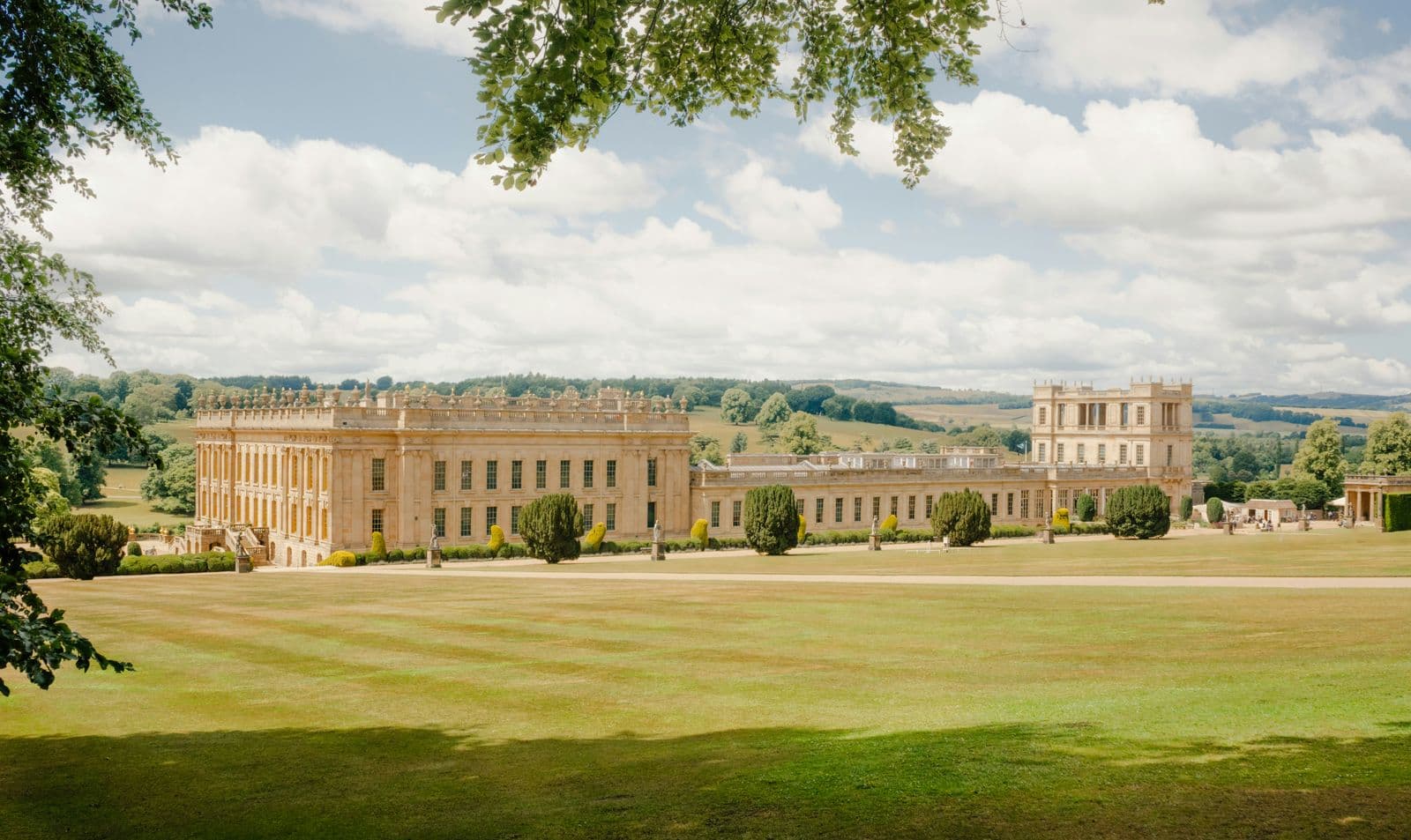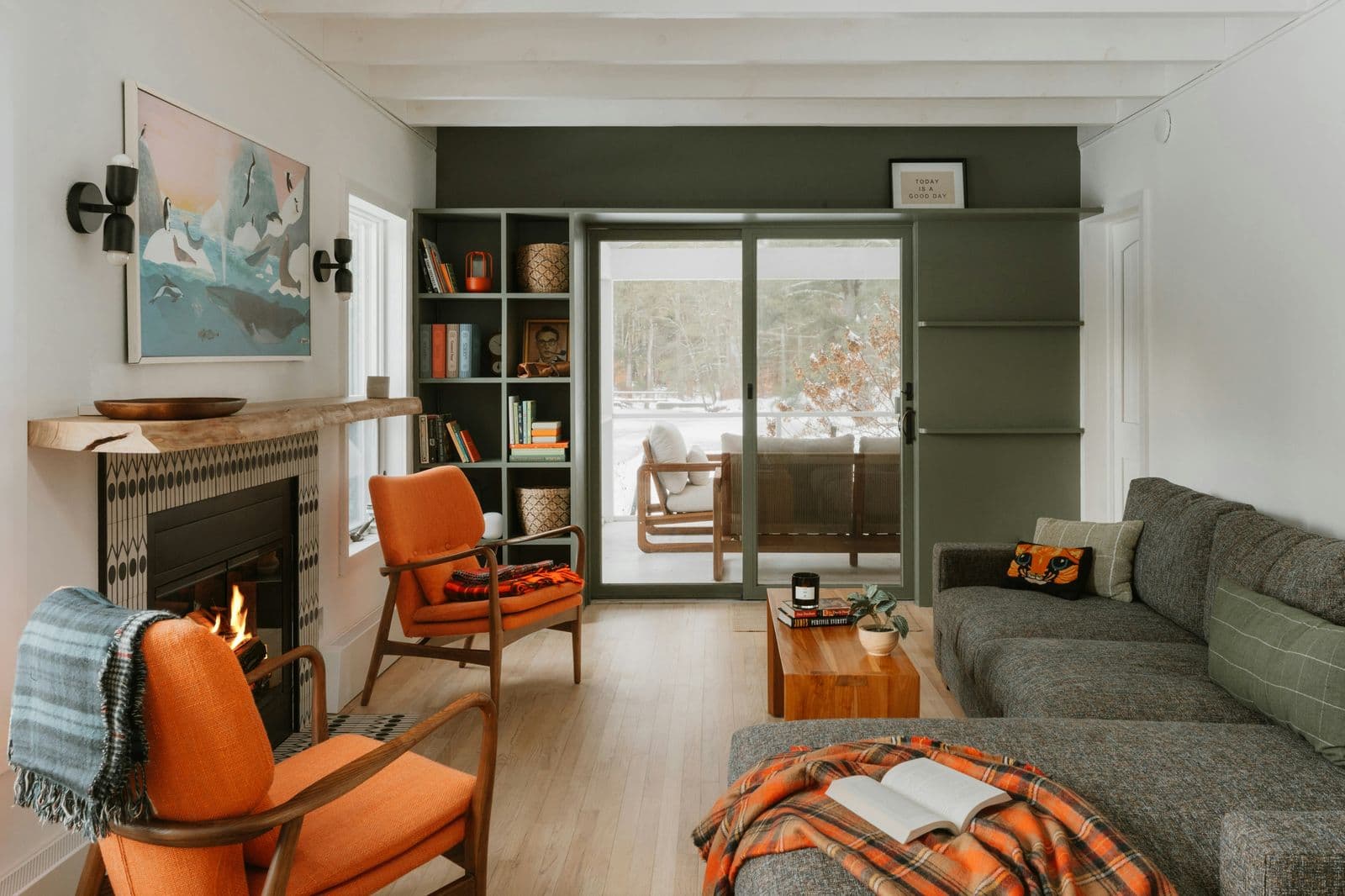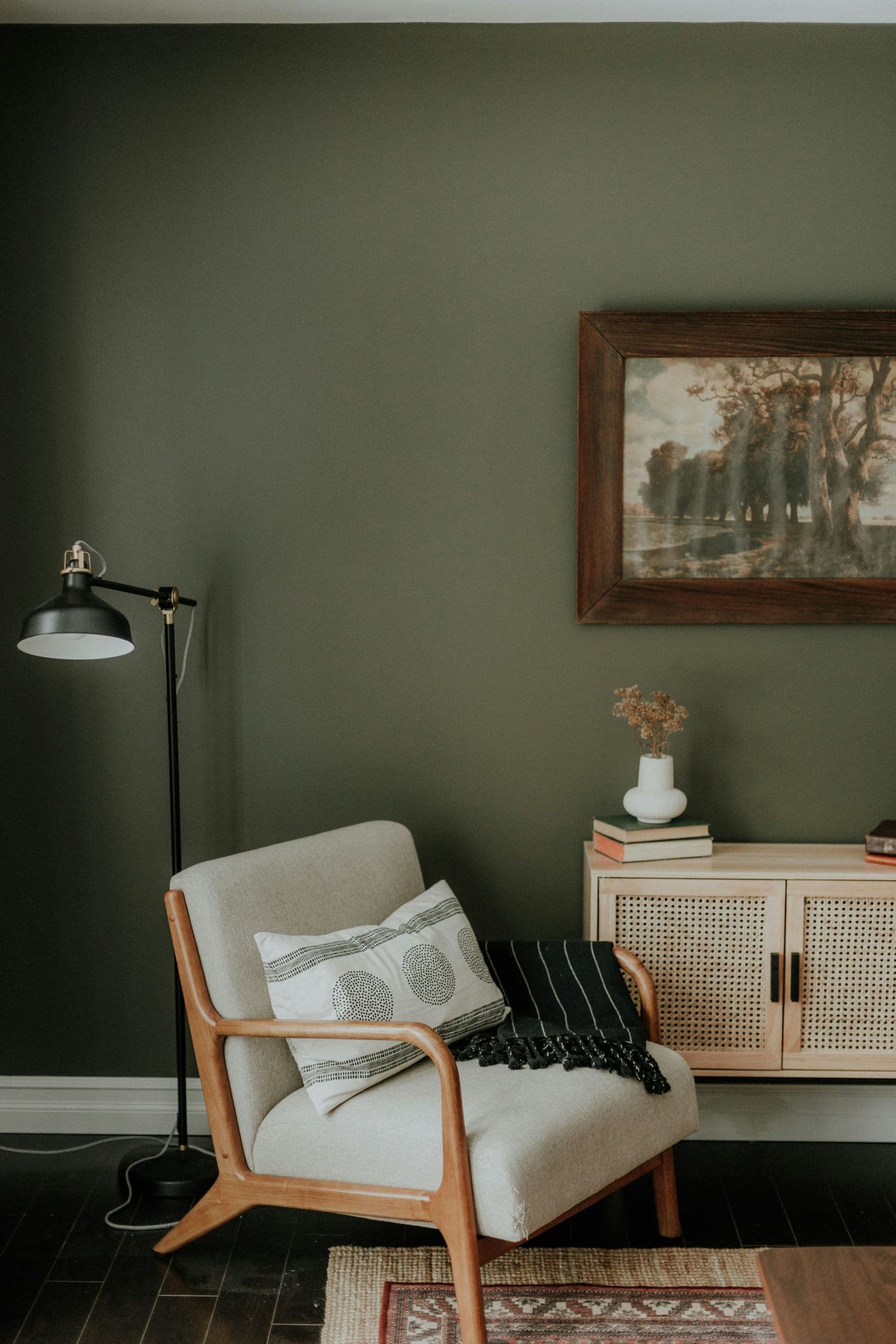
Edward Bulmer Natural Paint occupies a unique position in the paint market. Created by heritage architect and interior designer Edward Bulmer — a leading authority on historic buildings and period colour — the range combines rigorous historical research with entirely natural formulations. Every colour is derived from historical evidence; every ingredient is natural. The result is a paint range that is simultaneously the most ethically produced and the most historically authentic available for period properties.
Who Is Edward Bulmer?
Edward Bulmer is a Herefordshire-based architect who has spent his career working on historic buildings for the National Trust, English Heritage, and private clients. His deep research into historical paint colours and formulations — including analysis of original paint layers in Georgian, Regency, and Victorian interiors — gave him both the colour palette and the philosophical framework for his paint range. He understands, better than almost anyone in Britain, what colours were actually used in period interiors and why they looked the way they did.
The Paint's Natural Formulation
Edward Bulmer Natural Paint is made from linseed oil, chalk, earth and mineral pigments, and natural resins — the same materials used by painters for centuries before the advent of synthetic chemistry. It contains no synthetic polymers, no petrochemical derivatives, and no VOCs of any kind. This makes it genuinely safe for use in nurseries, homes with allergy sufferers, and buildings where breathability is important — including listed properties and lime-plastered interiors.
The Colour Range
The range currently contains around 50 colours, all grounded in historical evidence. They include some of the most beautiful and usable shades available from any paint company:
- Bone: a warm, creamy off-white derived from Regency sources — superb for hallways and woodwork
- Vitruvian: a rich, earthy red-ochre — historically one of the most widely used Victorian interior colours
- Invisible Green: a mid-tone grey-green that disappears into the architecture — a masterclass in period colour
- Stone: a cool, elegant stone tone with blue-grey undertones — versatile and beautiful in any period room
- Lichened Oak: a warm, complex grey-green — extraordinary in country houses and Arts and Crafts interiors
- Cuisse de Nymphe: a delicate blush pink derived from eighteenth-century sources — transformative in bedrooms
Performance on Period Substrates
Natural linseed oil paints behave very differently from modern emulsions — they penetrate and bond with porous substrates rather than forming a surface film, making them particularly suitable for lime plaster, old brick, and limewash over-coated surfaces. They dry slowly, which actually benefits the finish — the extended open time allows the paint to self-level and penetrate the surface more completely. They do require knowledgeable application, and we strongly recommend using a decorator with experience of natural paints.
As experienced applicators of Edward Bulmer Natural Paint, we would be happy to discuss your project. Request a quote or call 020 7101 3168.
Share this article
Plan the Next Step
Use this guide as a starting point, then explore the most relevant service pages, recent project examples, or request a quote for your own property.
Specialist application of limewash, casein distemper, Keim mineral silicate, and breathable masonry coatings for period properties across Hampstead and NW3.
Healthy home decorating using zero-VOC paints, Earthborn Claypaint, Graphenstone natural lime, and virtually dust-free Mirka HEPA sanding technology — ideal for nurseries, allergy sufferers, and eco-conscious homeowners across Hampstead NW3.
Indicative bands for interiors, exteriors and specialist work across North London.
Tell us about your space, timescale, and finish requirements to get tailored advice.