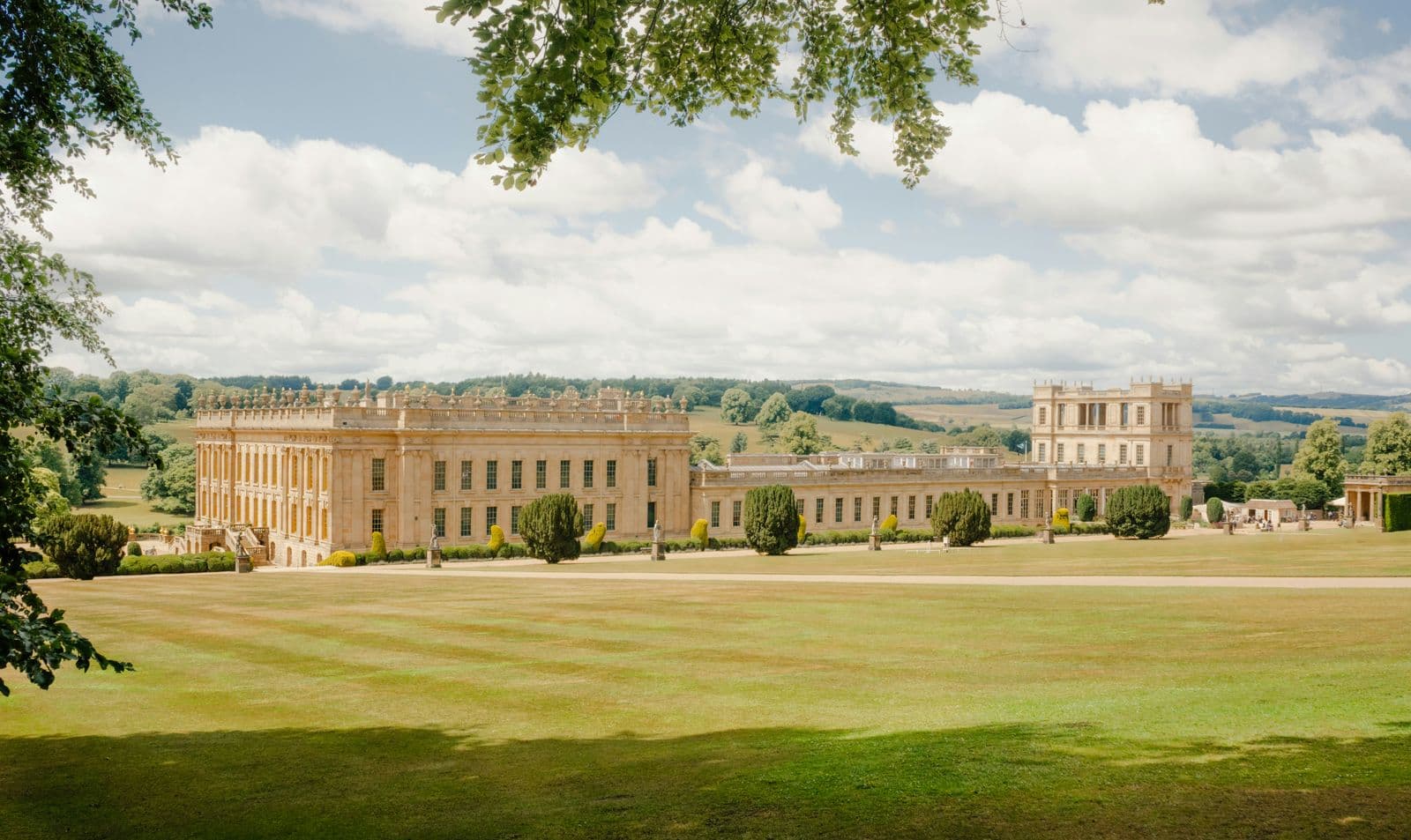
Keim mineral paints are the gold standard for painting heritage buildings, listed properties, and any masonry substrate where breathability is essential. Invented by Adolf Wilhelm Keim in Bavaria in 1878, these silicate paints work through a chemical process — silicification — that bonds the paint permanently to the substrate rather than simply forming a surface film. The result is a finish that does not peel, crack, or blister, and that lasts for decades rather than years. For London's historic buildings, Keim is often the only truly appropriate choice.
How Keim Paints Work
Conventional paints — whether emulsion, masonry, or gloss — dry by forming a polymer film on the surface of the substrate. Over time, this film degrades, traps moisture behind it, and eventually cracks and peels. Keim paints work differently. The potassium silicate binder reacts chemically with silicates in the substrate — brick, stone, lime render, concrete — forming an insoluble silicate matrix that becomes part of the wall itself. There is no film to peel, no barrier to moisture movement, and no degradation over time. Keim painted surfaces on buildings in Germany have lasted over 100 years without repainting.
Why Breathability Matters in Heritage Buildings
London's Victorian and Georgian buildings were constructed with lime mortar and lime render — breathable materials that allow moisture to move freely through the fabric of the building. When these buildings are painted with modern film-forming paints, moisture becomes trapped, leading to damp, spalling stonework, blown render, and — in the worst cases — structural damage. Keim's breathability (measured as SD value — the equivalent diffusion thickness of an air layer to water vapour) is effectively zero: Keim offers no resistance to moisture vapour movement. This makes it ideal for any historic masonry building.
Keim Products for Different Substrates
- Keim Granital: the standard exterior mineral paint, suitable for lime and cement render, brick, and stone. Available in over 1,000 colours.
- Keim Soldalit: a high-performance exterior system for smooth substrates, with very high UV resistance and a fine, silky finish.
- Keim Innostar: an interior mineral paint, excellent for listed buildings where breathability is required internally.
- Keim Restauro: a specialist system for sensitive historic substrates, including fragile lime plaster and stone.
Application: Why It Requires a Specialist
Keim mineral paints are not straightforward to apply — they require clean, well-prepared substrates, correct dilution ratios, and application technique that differs from conventional paints. The substrate must be free of organic materials and old film-forming paints. Two coats are applied with a masonry brush, working the paint into the surface. Keim offer a licensed applicator scheme, and we are experienced Keim applicators who understand the specific requirements of heritage substrate preparation and application.
If your property requires Keim mineral paint — whether it is a listed building, a period house with lime render, or a heritage building in need of long-lasting protection — contact us for a quote or call 020 7101 3168.
Share this article
Plan the Next Step
Use this guide as a starting point, then explore the most relevant service pages, recent project examples, or request a quote for your own property.
Specialist application of limewash, casein distemper, Keim mineral silicate, and breathable masonry coatings for period properties across Hampstead and NW3.
Exterior decorating and coating for render, stucco, masonry and exposed joinery, specified for the building rather than for the catalogue.
Indicative bands for interiors, exteriors and specialist work across North London.
Tell us about your space, timescale, and finish requirements to get tailored advice.