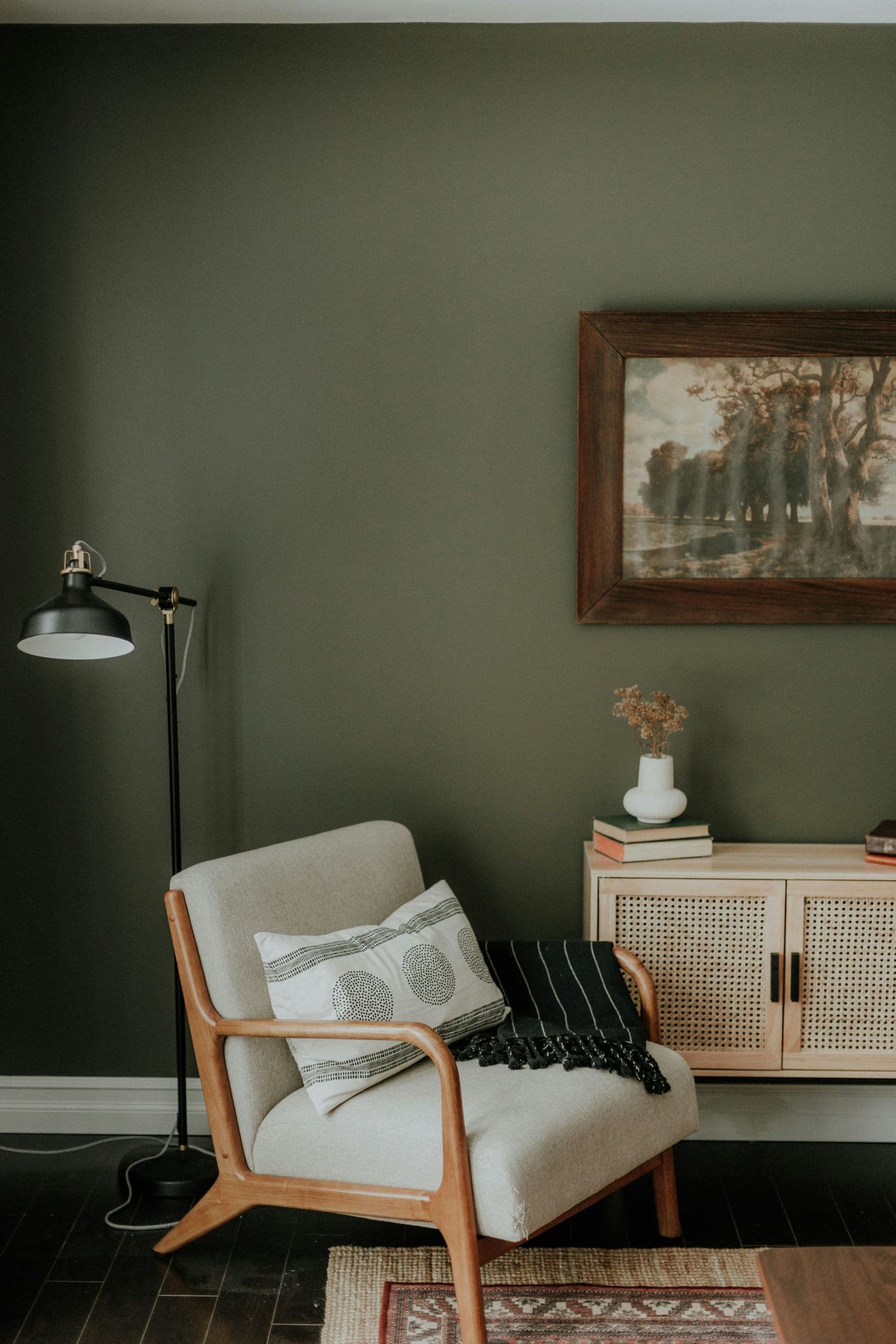
Paint finish — the level of sheen a paint produces when dry — is one of the most important decisions in any decorating project, and one that many homeowners find confusing. Matt, eggshell, satin, satinwood, gloss: the terminology varies between manufacturers, the products behave differently in different situations, and the wrong finish in the wrong place looks wrong and performs poorly. This guide from Hampstead Painting Company clarifies the choices.
Understanding the Sheen Scale
Paint finishes are generally described from flattest (least reflective) to highest sheen:
- Dead flat / flat matt: Zero or near-zero sheen. Farrow & Ball's Dead Flat, Little Greene Intelligent Matt. Beautiful in period rooms with high ceilings; shows every mark and cannot be wiped clean.
- Matt: Very low sheen. The standard for most domestic walls. More wipeable than flat matt but still relatively delicate. Best in bedrooms, dining rooms, and living rooms.
- Soft sheen / eggshell: Low but noticeable sheen — the surface appearance of an egg. More durable and washable than matt. Used on walls in kitchens, bathrooms, and hallways; also on woodwork where a subtle finish is desired.
- Satin / satinwood: A medium sheen that catches the light noticeably. The standard finish for interior woodwork — skirting boards, doors, and architraves. Durable and relatively easy to keep clean.
- Semi-gloss: Higher sheen. Used on woodwork in areas needing high durability and easy cleaning — hallways, kitchens, children's rooms.
- Full gloss: The highest sheen. Traditional for exterior woodwork and for interior joinery in period houses where a high-gloss oil finish is desired. Requires the most thorough surface preparation to look good.
Which Finish for Which Room?
Walls and Ceilings
- Bedrooms and formal reception rooms: Dead flat or flat matt — the most beautiful finish for low-traffic spaces where aesthetics take priority over practicality.
- Hallways, landing, and stairs: Soft sheen or eggshell — must be washable because these surfaces are touched and scuffed constantly.
- Kitchen and bathrooms: Moisture-resistant eggshell — designed to withstand steam, condensation, and frequent wiping.
Woodwork
- Skirting boards, architraves, and doors: Eggshell or satinwood — durable enough for regular contact, easy to keep clean.
- Period joinery where a traditional look is desired: Full gloss (oil-based) — the correct traditional finish that shows off quality joinery.
- Kitchen cabinets: Satinwood or semi-gloss — the spray-applied kitchen cabinet finish used by Hampstead Painting Company is typically a satin alkyd for maximum durability.
The Importance of Quality Products
The finish label on cheaper paints can be misleading — a 'matt' supermarket emulsion may have more sheen than a quality brand's 'soft sheen'. Always work with known products from reliable manufacturers. Hampstead Painting Company uses Farrow & Ball, Little Greene, Dulux Trade, and Mylands — products where the stated finish description is reliable and consistent.
For advice on the right finishes for every room in your home, contact Hampstead Painting Company for a free quote and consultation.
Share this article
Plan the Next Step
Use this guide as a starting point, then explore the most relevant service pages, recent project examples, or request a quote for your own property.
Interior painting and decorating for period and contemporary homes across Hampstead and North London, from a single room to a whole house.
Indicative bands for interiors, exteriors and specialist work across North London.
Tell us about your space, timescale, and finish requirements to get tailored advice.