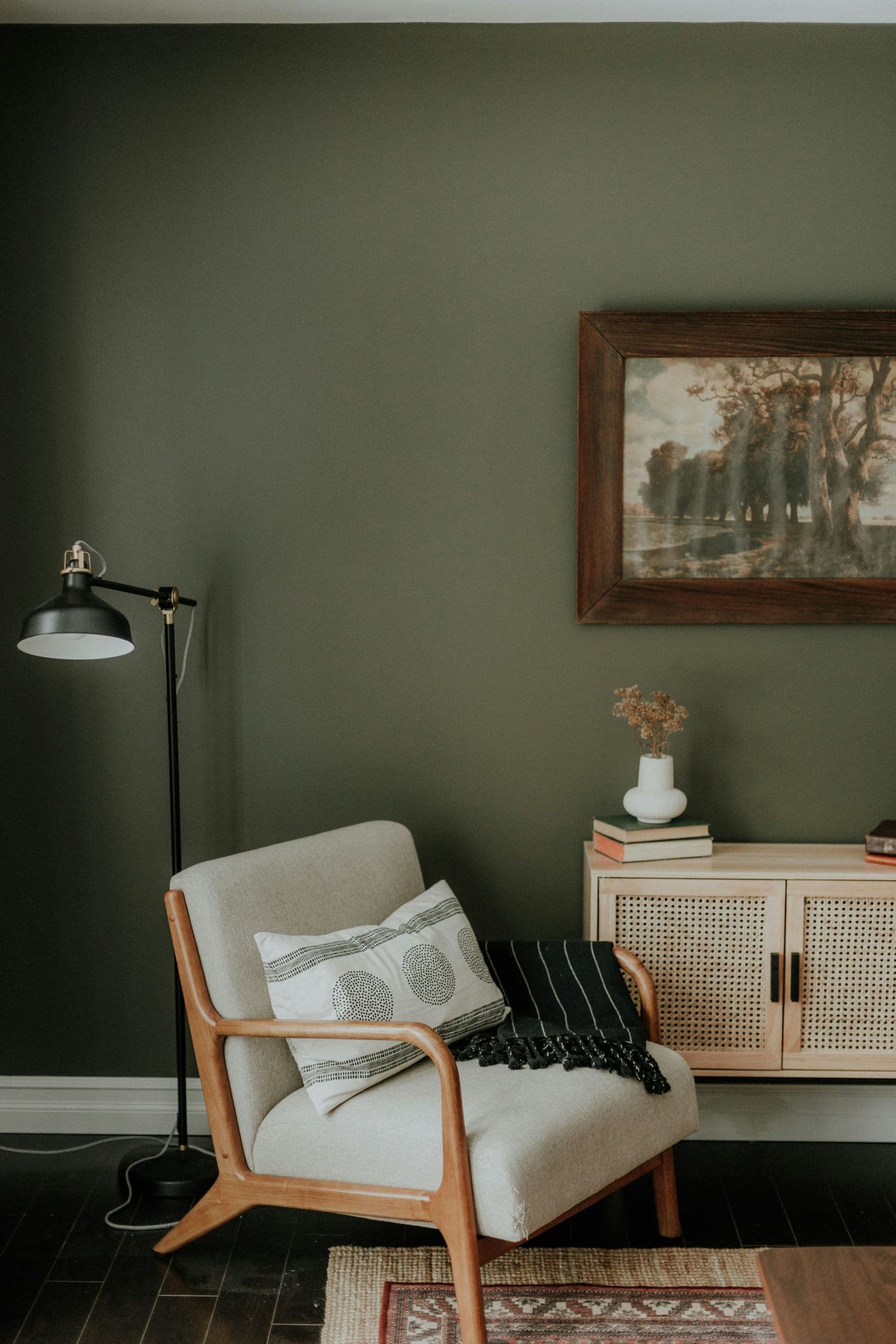
When a room needs refreshing, the first question is often: paint or wallpaper? Both have their place, and the right choice depends on the room, the condition of the walls, the budget, and the desired result. This guide from Hampstead Painting Company looks at both options honestly — including the situations where each genuinely excels.
The Case for Repainting
Paint is the default choice for most rooms in most homes, and for good practical reasons:
- Versatility: Paint can be applied to any surface in any room. A quality painted wall has a timeless quality that rarely dates.
- Cost: Repainting is generally less expensive than wallpapering, particularly for labour. A decorator can typically repaint a bedroom in a day; hanging wallpaper takes longer and requires more skill and careful material handling.
- Ease of updating: Painted walls are easy to refresh — a single new coat can transform a room. Changing wallpapered walls requires full stripping, which is time-consuming and can damage the plaster beneath.
- Colour flexibility: The premium paint ranges — Farrow & Ball, Little Greene, Mylands — offer extraordinary colour depth and complexity that can be as visually interesting as any wallpaper in the right room.
- Better for imperfect walls: Contrary to what many homeowners expect, paint can disguise or minimise wall imperfections better than wallpaper in some situations — particularly with a flat matt finish that absorbs light rather than highlighting surface variation.
The Case for Wallpaper
Wallpaper has enjoyed a major revival in recent years, and for many applications it offers something paint simply cannot match:
- Pattern, texture, and visual impact: A bold wallpaper — botanical, geometric, or hand-printed — creates an immediate visual impact that paint cannot replicate. Used on a chimney breast or feature wall, quality wallpaper transforms a room.
- Period authenticity: Many Victorian and Edwardian rooms were originally wallpapered, and a quality reproduction pattern hung by an experienced decorator restores something authentic to the room's character.
- Texture: Grasscloth, linen, and fabric-backed wallpapers add a tactile warmth to rooms that paint on plaster cannot achieve.
- Concealing poor plaster: A quality lining paper, properly hung, can dramatically improve a badly impaired wall surface — providing a better and more stable base than bare plaster for either a further wallpaper or a paint finish.
When to Use Each
Hampstead Painting Company's general advice:
- Use quality paint for most rooms where versatility, value, and ease of future updating matter
- Use wallpaper for feature walls, hallways, and principal reception rooms where visual impact and period character are the priority
- Always use a lining paper if the plaster is in poor condition, regardless of whether the finish is paint or pattern paper
Ready to discuss the right approach for your rooms? Request a free quote from Hampstead Painting Company and we will advise on both options.
Share this article
Plan the Next Step
Use this guide as a starting point, then explore the most relevant service pages, recent project examples, or request a quote for your own property.
Precision wallpaper hanging for feature walls, full-room schemes, and high-value designer papers across Hampstead and North London.
Healthy home decorating using zero-VOC paints, Earthborn Claypaint, Graphenstone natural lime, and virtually dust-free Mirka HEPA sanding technology — ideal for nurseries, allergy sufferers, and eco-conscious homeowners across Hampstead NW3.
Indicative bands for interiors, exteriors and specialist work across North London.
Tell us about your space, timescale, and finish requirements to get tailored advice.