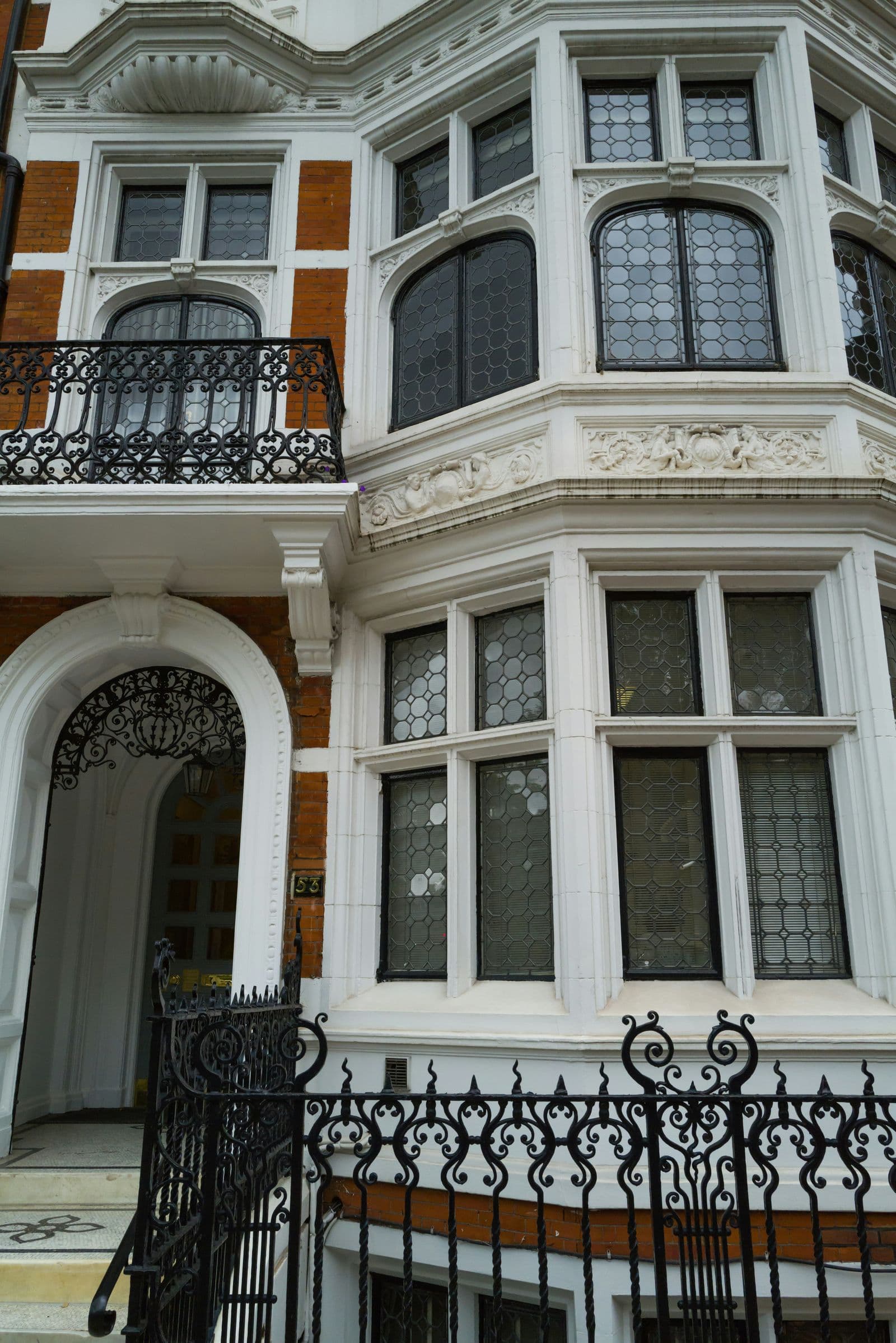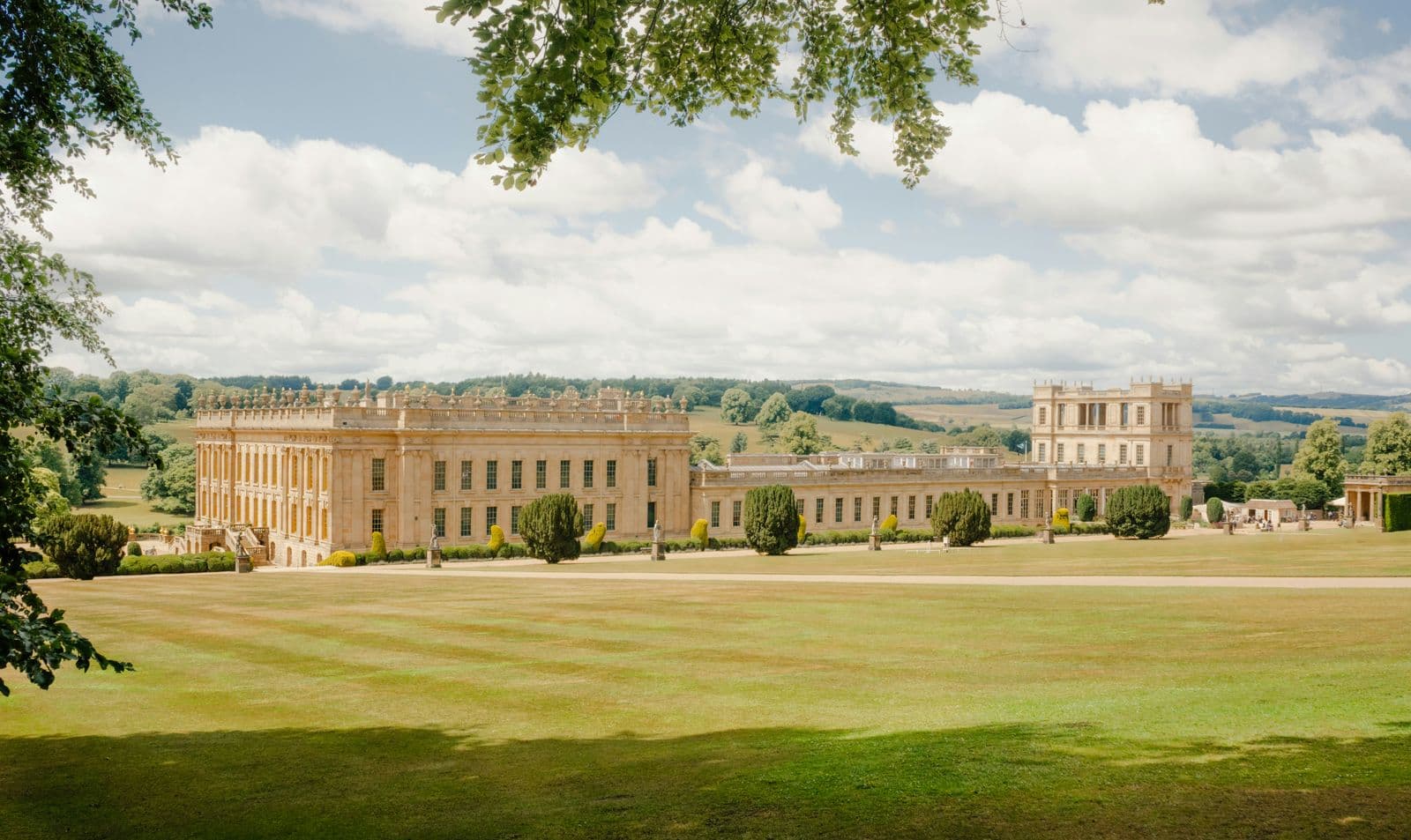
Limewash is the oldest paint in the world. Made from slaked lime dissolved in water and tinted with earth pigments, it was used to coat buildings across Europe for thousands of years before the invention of modern paint. For owners of period properties — particularly pre-Victorian buildings, farmhouses, and listed properties — limewash is not just an aesthetic choice but often the technically correct one. Using modern film-forming paints over historic masonry causes serious damage; limewash does not.
What Is Limewash?
Limewash is a suspension of slaked lime (calcium hydroxide) in water, typically with natural earth pigment added for colour. When applied to masonry, it carbonates — the lime absorbs carbon dioxide from the air and converts back to calcium carbonate, the same mineral as the limestone from which it was originally burned. This carbonation process binds the limewash to the substrate and gives it its characteristic chalky, slightly translucent appearance. As it weathers, it does so gracefully — fading and becoming more interesting rather than cracking and peeling.
Why Historic Buildings Need Breathable Coatings
Buildings constructed before the twentieth century — whether stone, brick, or cob — were built with lime mortar and lime render. These materials are deliberately permeable, allowing moisture to move freely through the walls and evaporate at the surface. When modern plastic-based masonry paints are applied to these buildings, the moisture that would normally evaporate becomes trapped. The result is damp interiors, blown render, spalling stone, and — in severe cases — structural failure. Limewash, being water-soluble and extremely thin, imposes no barrier to moisture movement.
What Buildings Suit Limewash?
Limewash is ideal for:
- Listed buildings and buildings in conservation areas where breathable coatings are often specified or required
- Pre-1919 brick and stone buildings with lime mortar — the majority of Victorian and earlier properties
- Lime-rendered or lime-plastered surfaces — both internally and externally
- Cob, earth, and other vernacular construction materials
- Any surface that has previously been limewashed — limewash adheres best to limewash
Limewash Application
Limewash is applied with a large, soft brush in thin, quick coats. The substrate must be dampened before each coat to slow carbonation and allow the limewash to penetrate. Multiple thin coats (typically four to six) build up the characteristic depth of colour and opacity. Each coat must dry and begin to carbonate before the next is applied — usually 24 hours in temperate conditions. The finished appearance is quite different from conventional paint: more textured, slightly cloudy, and alive with subtle tonal variation.
Modern Limewash vs Traditional
Several paint companies now offer 'limewash' products that are actually acrylic paints mimicking the limewash aesthetic. These include the popular Portola Paints range. While these products are visually appealing on modern surfaces, they are not genuine limewash — they do not carbonate, they do not breathe, and they are not appropriate for historic masonry. For genuine period properties, always use genuine slaked lime limewash from suppliers such as Lime Green, Limebase, or St Astier.
We have extensive experience applying traditional limewash to period properties across London. Request a quote or call 020 7101 3168.
Share this article
Plan the Next Step
Use this guide as a starting point, then explore the most relevant service pages, recent project examples, or request a quote for your own property.
Specialist application of limewash, casein distemper, Keim mineral silicate, and breathable masonry coatings for period properties across Hampstead and NW3.
Interior painting and decorating for period and contemporary homes across Hampstead and North London, from a single room to a whole house.
Indicative bands for interiors, exteriors and specialist work across North London.
Tell us about your space, timescale, and finish requirements to get tailored advice.